Goblin Market
“UKAI Projects’ post-scarcity festival framework reappropriates ‘rituals of commerce’ for fostering generosity, collaboration, and transformation”
— HOLO Magazine Future Festivals Field Guide X MUTEK
Goblin Market
“UKAI Projects’ post-scarcity festival framework reappropriates ‘rituals of commerce’ for fostering generosity, collaboration, and transformation”
— HOLO Magazine Future Festivals Field Guide X MUTEK
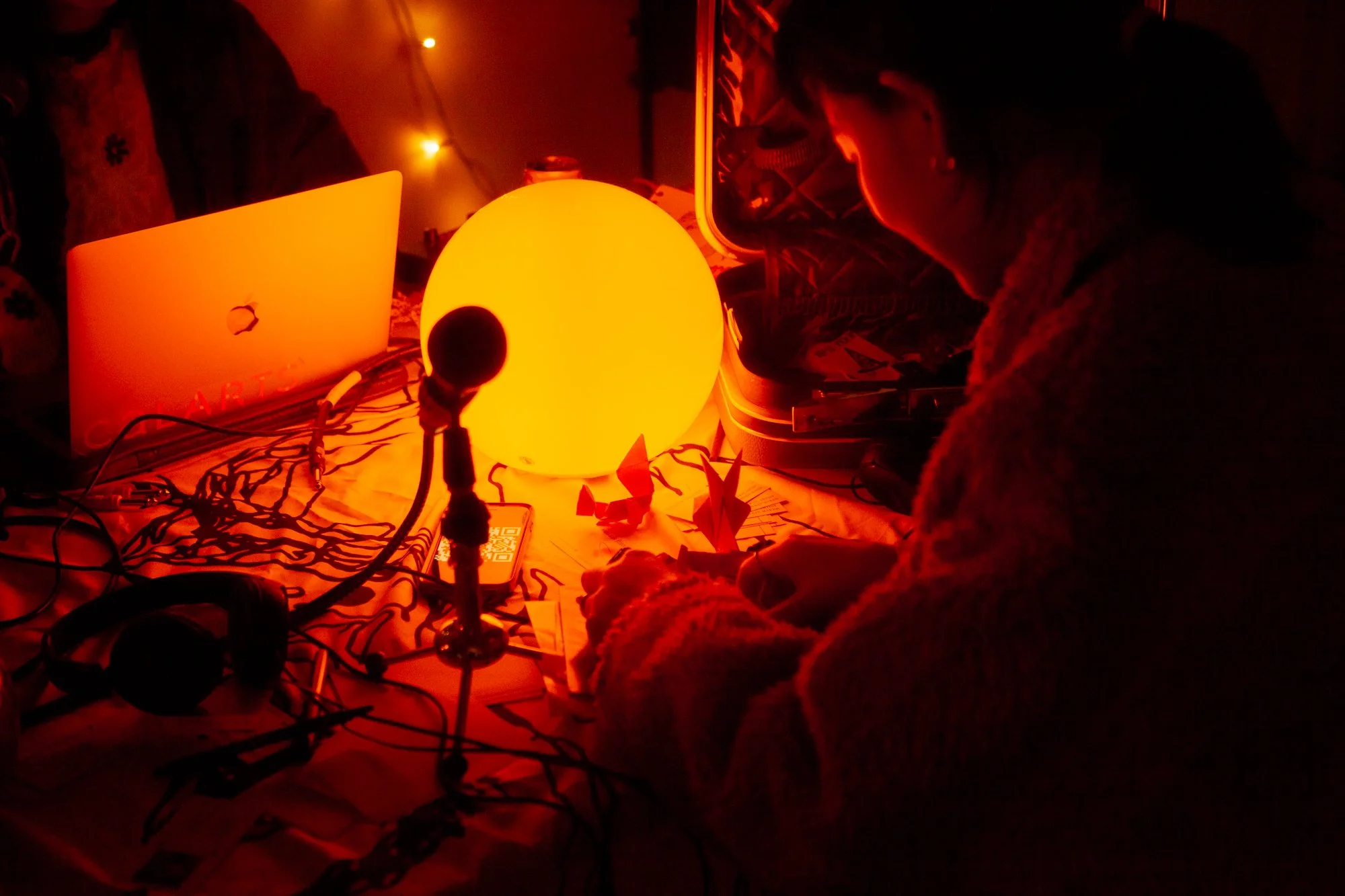
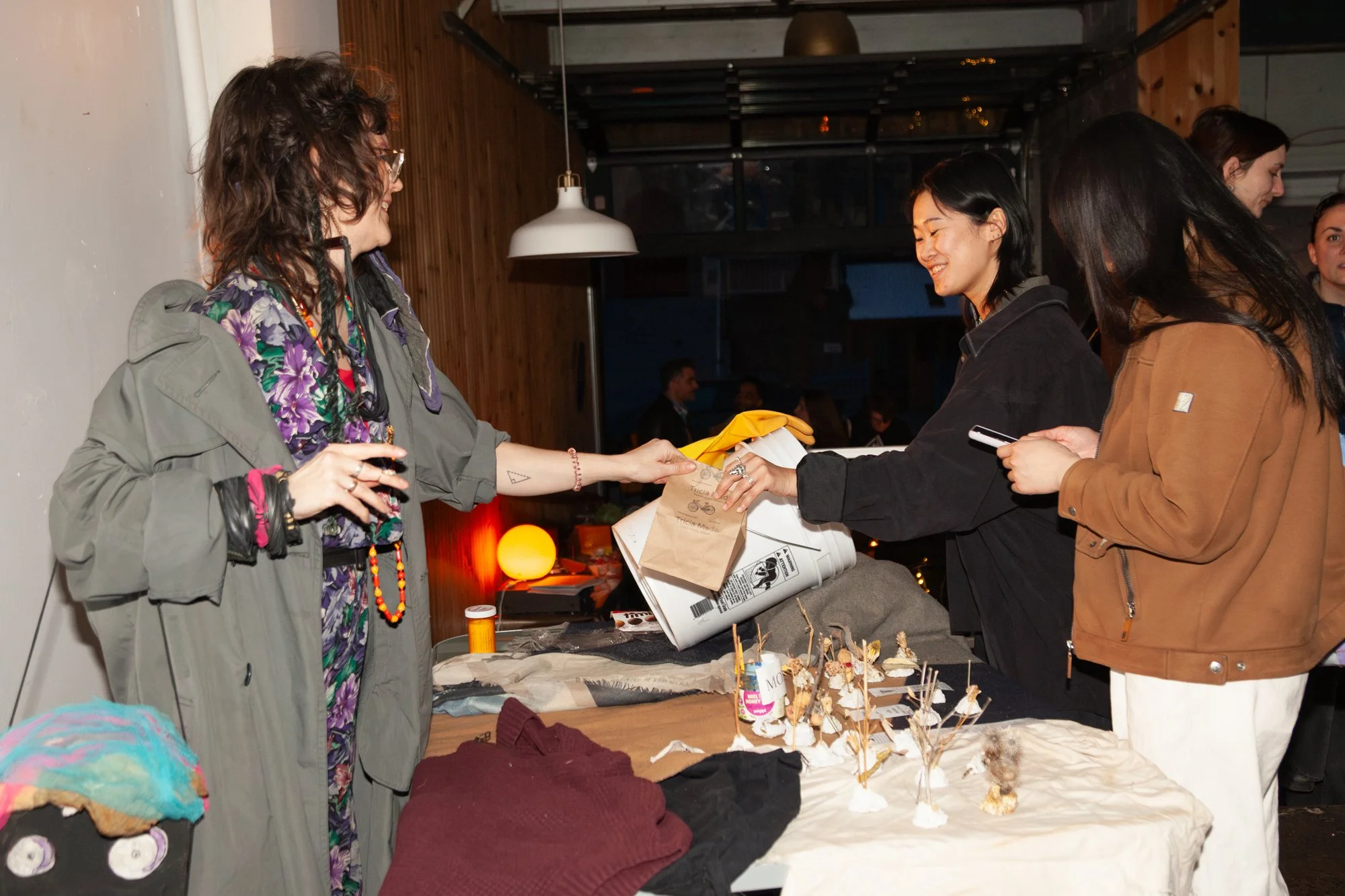
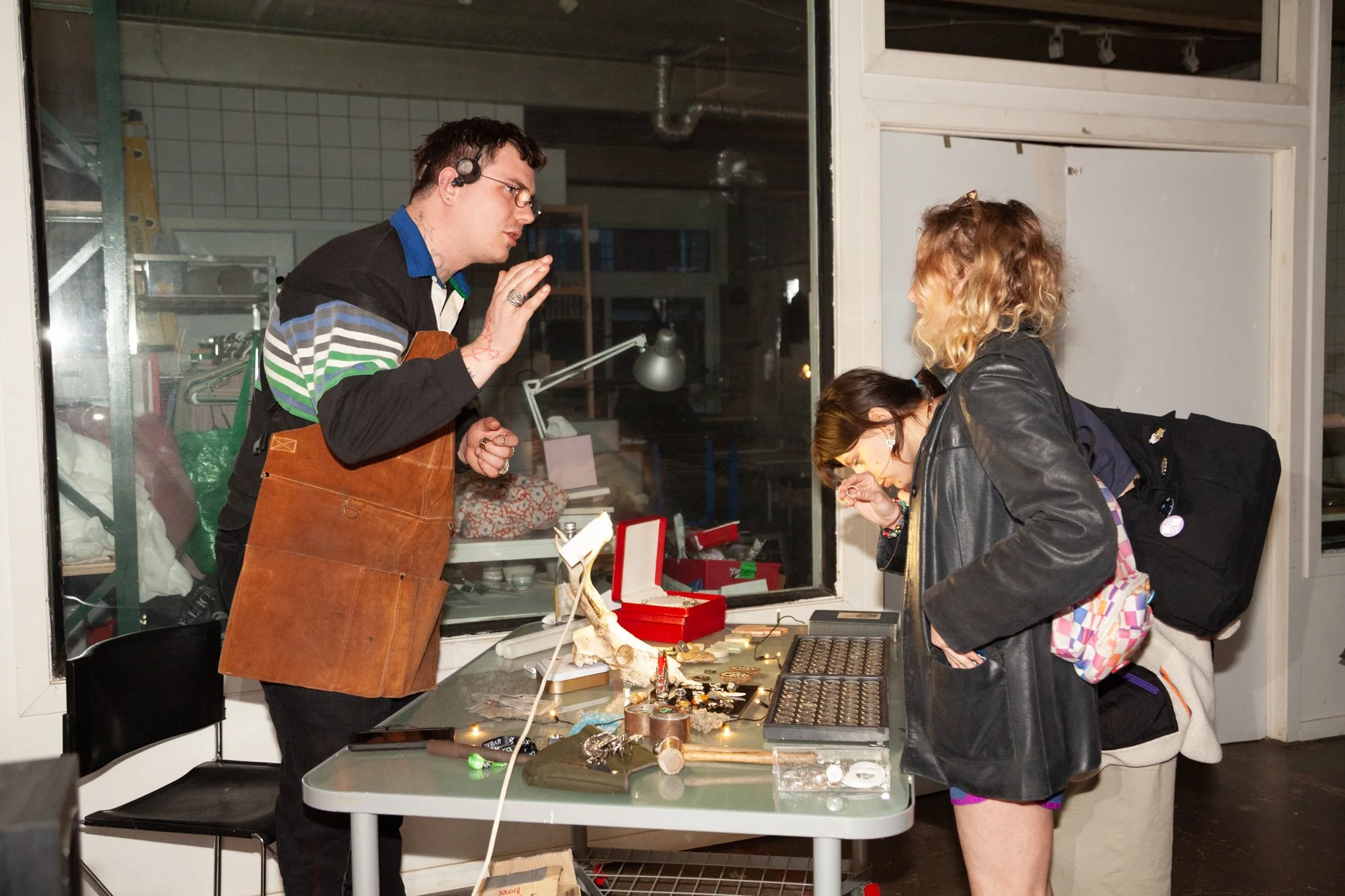
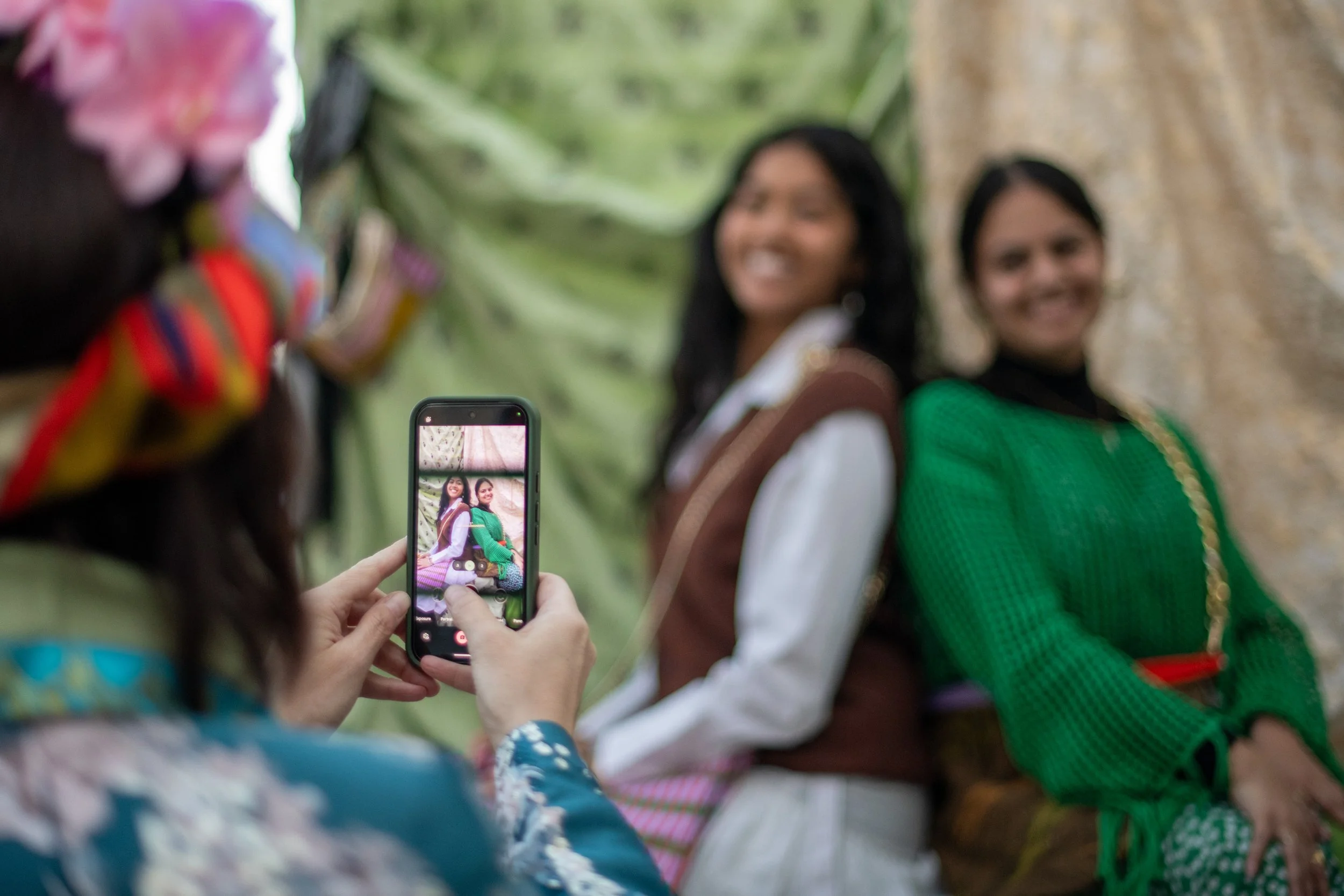
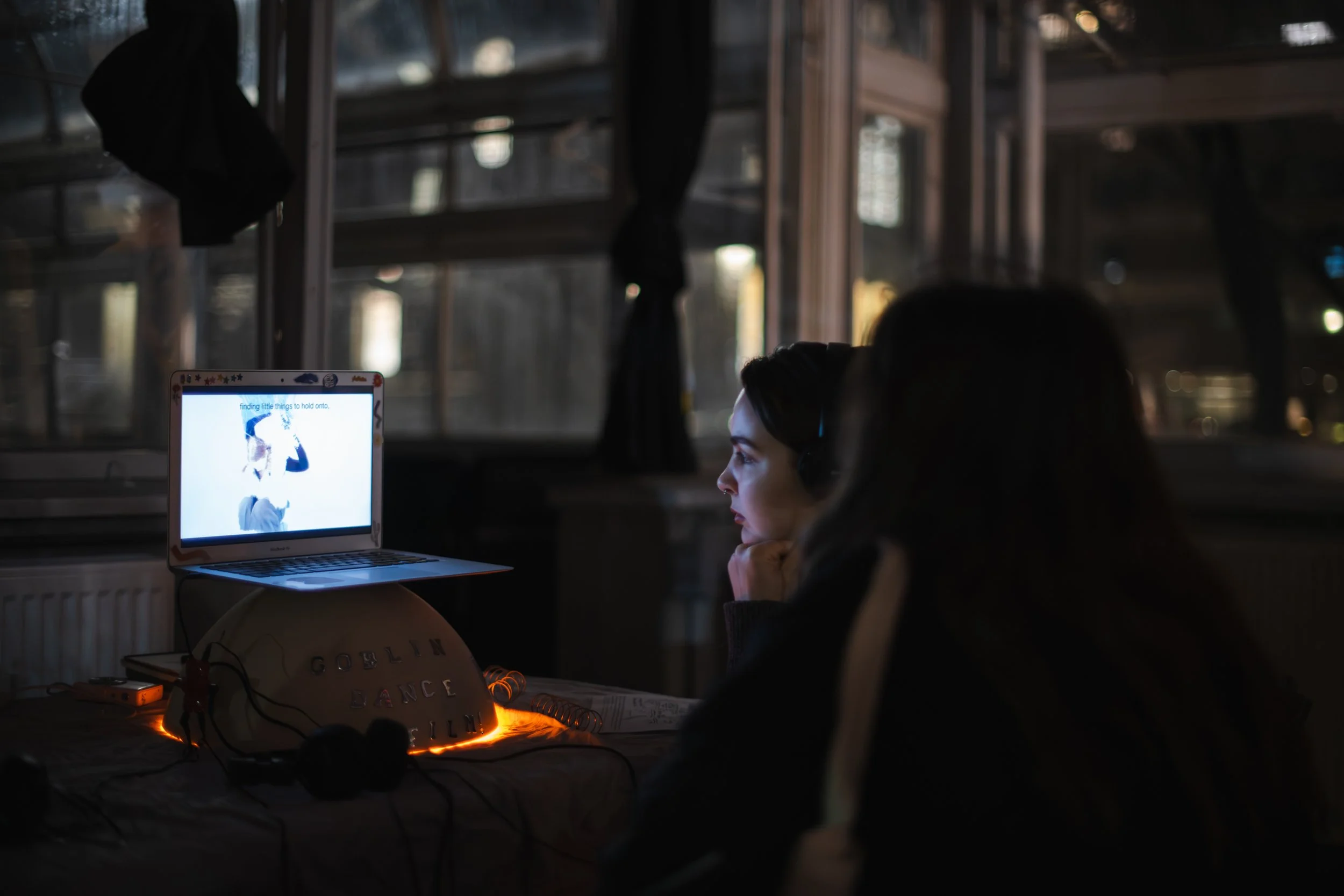
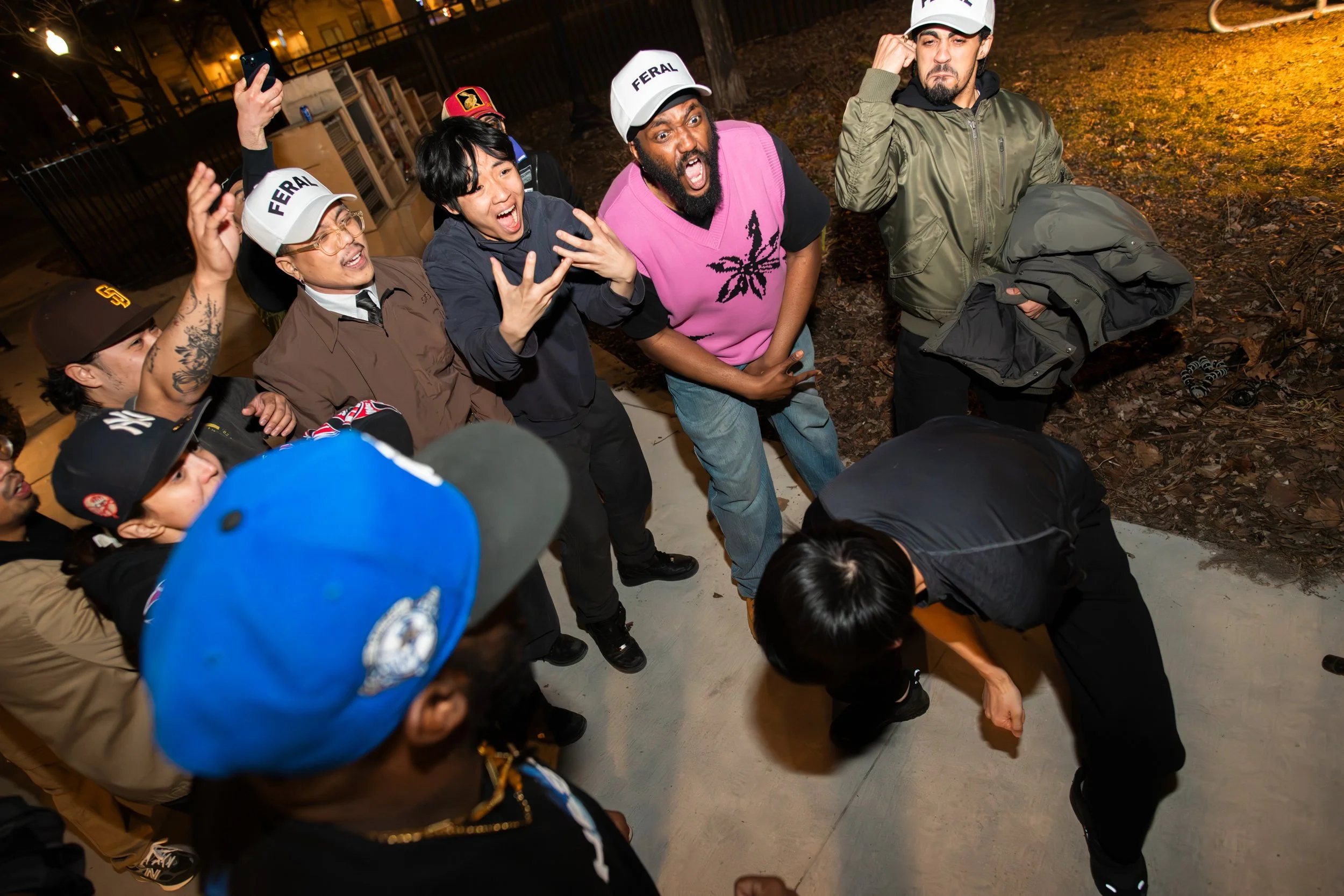
Goblin Market creates a space for living inquiry: into adaptation, mutual support, and how artists and communities might co-invent futures even when the old systems fail.
This is not a spectacle.
It is a practice of showing up, staying curious, and learning how to build again—with others.
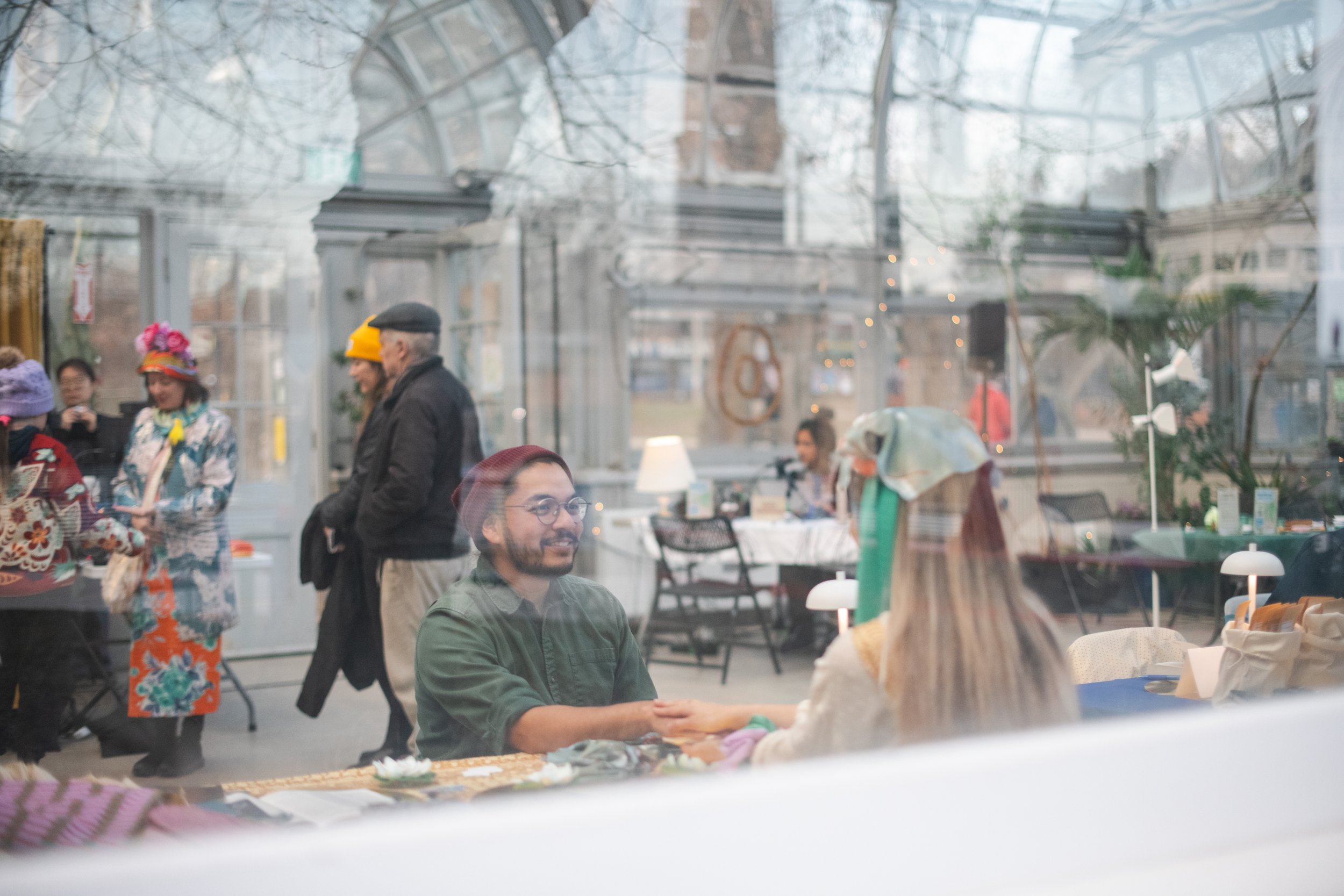
Goblin Market creates a space for living inquiry: into adaptation, mutual support, and how artists and communities might co-invent futures even when the old systems fail.
This is not a spectacle.
It is a practice of showing up, staying curious, and learning how to build again—with others.
Framework
Framework
Initiated as an independent research led by Luisa Ji, the project began with the goal of forming a place-to-place network for collaboration—with people, the environment, and material.
This research emerges as a framework to radically re-design career development for artists and turns a moment of scaricty driven arts marketplace into an opportunity to experiment with how artists can resource their practice through cooperation.
Initiated as an independent research led by Luisa Ji, the project began with the goal of forming a place-to-place network for collaboration—with people, the environment, and material.
This research emerges as a framework to radically re-design career development for artists and turns a moment of scaricty driven arts marketplace into an opportunity to experiment with how artists can resource their practice through cooperation.
Circular Mentorship
Circular Mentorship
The project begins by identifying a group of artists—some travelling with UKAI Projects, others rooted in the host city—who represent different stages of practice. More established artists will offer mentorship to emerging or mid-career artists, not through formal instruction but through shared space, open dialogue, and collaborative process. At the same time, emerging artists will bring fresh perspectives, experimental insights, and local knowledge that reframe how more experienced artists understand the site and context. This reciprocal relationship forms the foundation for a non-hierarchical, evolving knowledge network. Mentorship flows in multiple directions, reinforcing a culture of care and peer-based development.
The project begins by identifying a group of artists—some travelling with UKAI Projects, others rooted in the host city—who represent different stages of practice. More established artists will offer mentorship to emerging or mid-career artists, not through formal instruction but through shared space, open dialogue, and collaborative process. At the same time, emerging artists will bring fresh perspectives, experimental insights, and local knowledge that reframe how more experienced artists understand the site and context. This reciprocal relationship forms the foundation for a non-hierarchical, evolving knowledge network. Mentorship flows in multiple directions, reinforcing a culture of care and peer-based development.
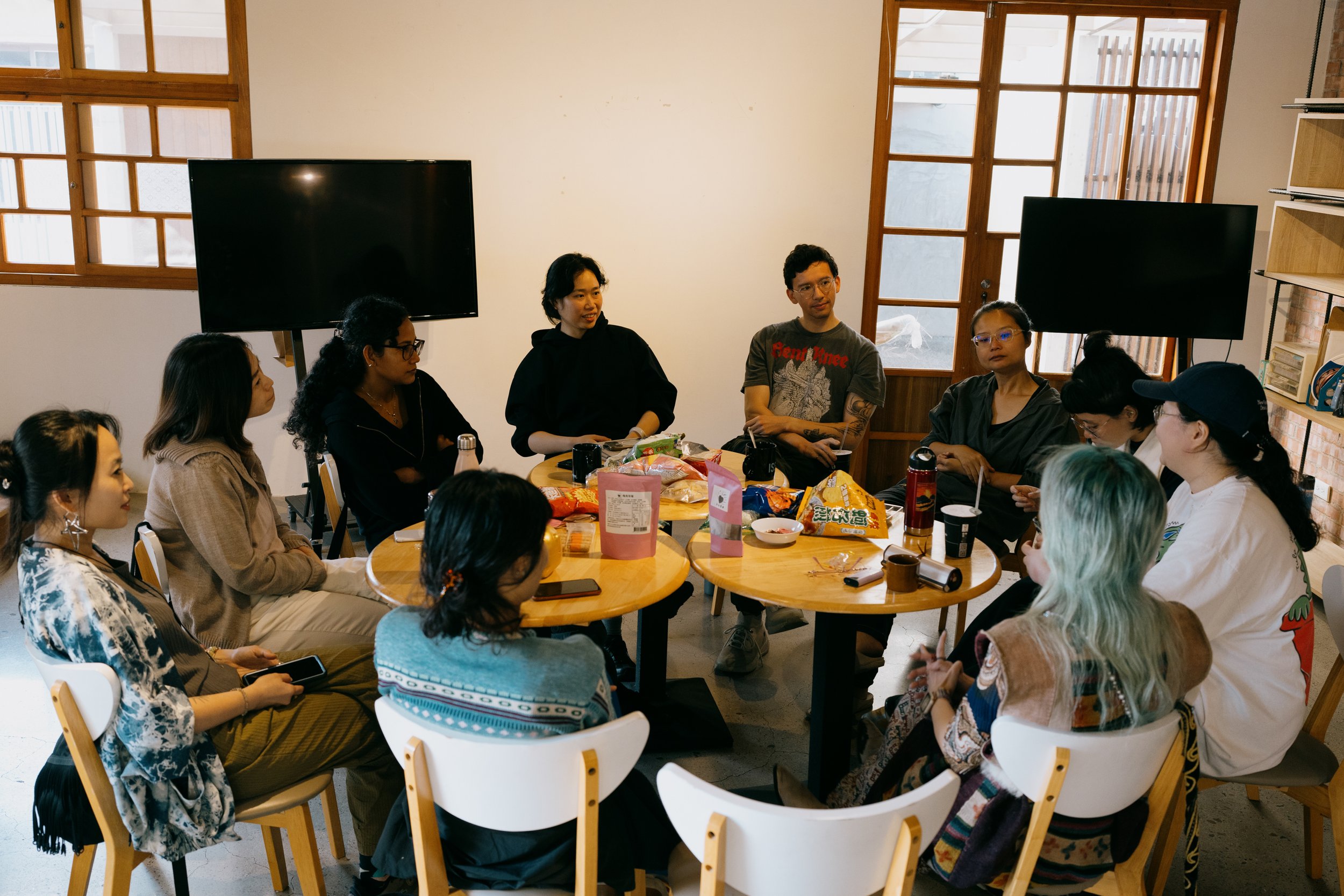
The aesthetic and narrative identity of Goblin Market will emerge collaboratively. The initial works brought by UKAI Projects will set a tone, but the visual language, spatial rhythm, and underlying stories will be co-authored in dialogue with local artists. This is not a curatorial imprint imposed on a space—it is a lived-in fiction that reveals itself through layered interactions. The process is iterative, speculative, and grounded in material improvisation. Artists will collectively negotiate how the space is shaped, transformed, and opened to public imagination.
Collective Worldbuilding
Collective Worldbuilding
The aesthetic and narrative identity of Goblin Market will emerge collaboratively. The initial works brought by UKAI Projects will set a tone, but the visual language, spatial rhythm, and underlying stories will be co-authored in dialogue with local artists. This is not a curatorial imprint imposed on a space—it is a lived-in fiction that reveals itself through layered interactions. The process is iterative, speculative, and grounded in material improvisation. Artists will collectively negotiate how the space is shaped, transformed, and opened to public imagination.
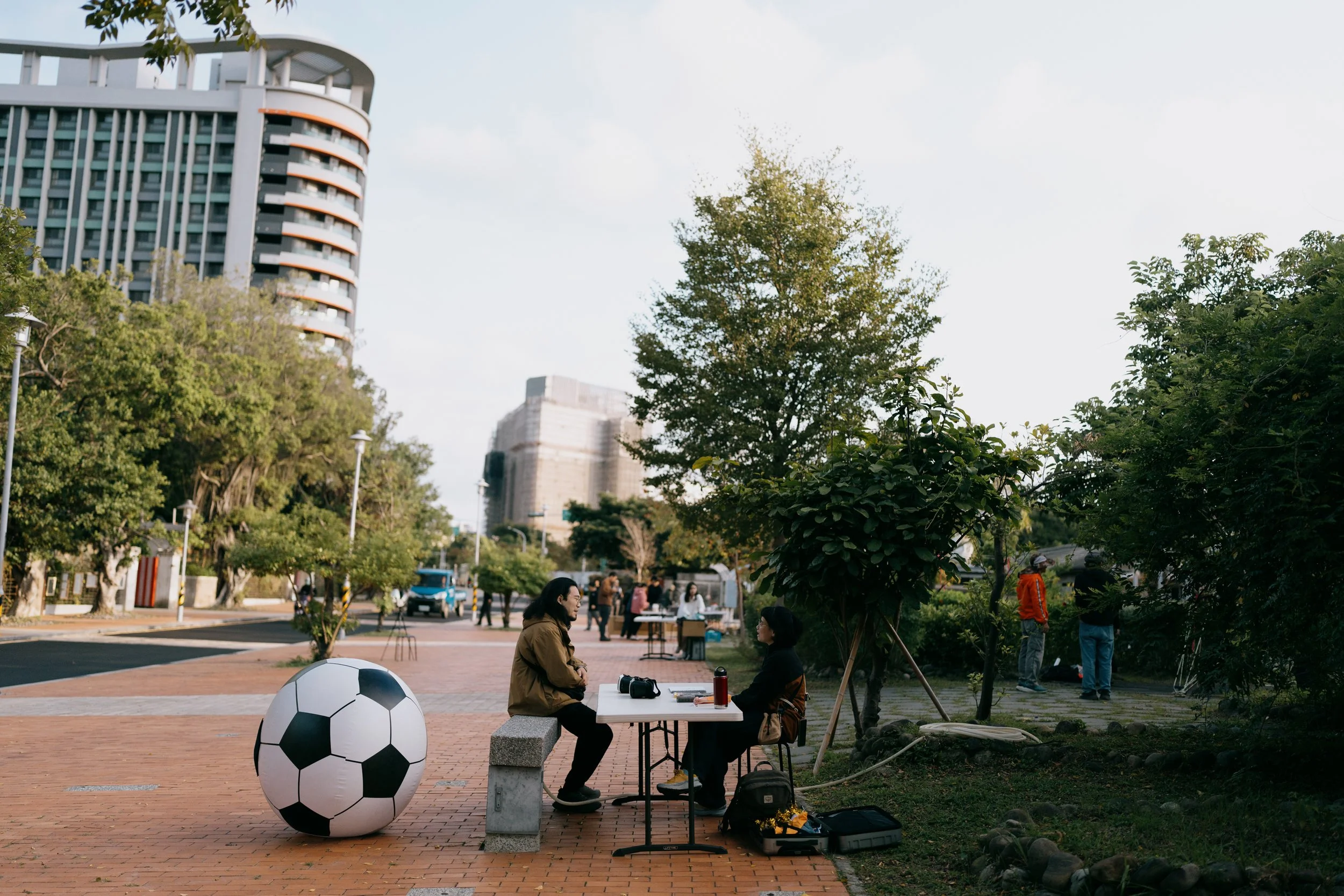
To align with regenerative and post-scarcity values, each artist travelling with UKAI is limited to one checked bag for materials. The rest of the work must emerge through local sourcing, resource-sharing, and community interaction. This constraint becomes an opportunity: artists will rely on new relationships to complete their installations, emphasizing mutual support over individual production. Local and travelling artists will pool resources, share tools, and co-develop interventions. This phase prioritizes prototyping abundance—not through scale, but through trust, cooperation, and collective problem-solving.
Prototyping Abundance
Prototyping Abundance
To align with regenerative and post-scarcity values, each artist travelling with UKAI is limited to one checked bag for materials. The rest of the work must emerge through local sourcing, resource-sharing, and community interaction. This constraint becomes an opportunity: artists will rely on new relationships to complete their installations, emphasizing mutual support over individual production. Local and travelling artists will pool resources, share tools, and co-develop interventions. This phase prioritizes prototyping abundance—not through scale, but through trust, cooperation, and collective problem-solving.
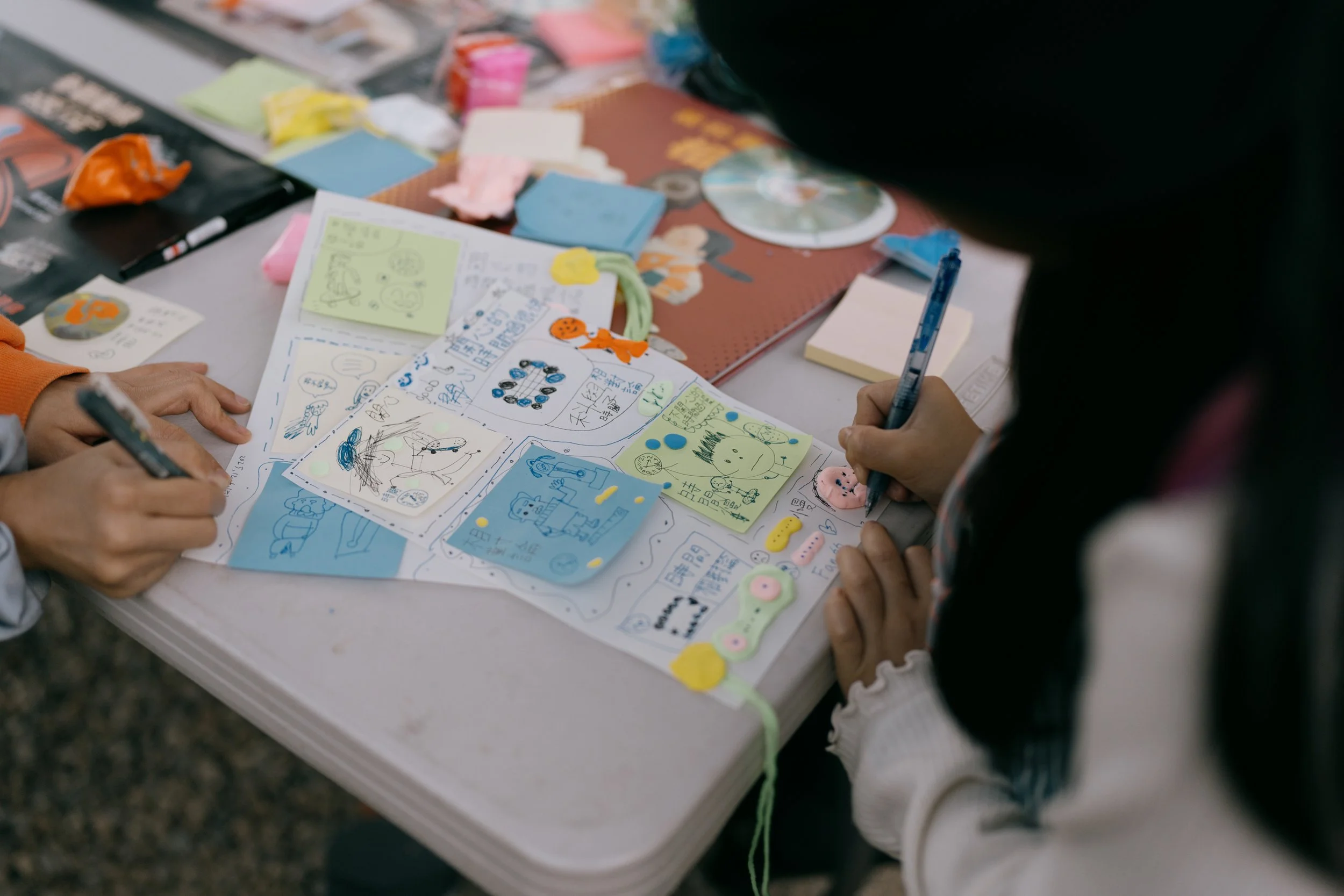
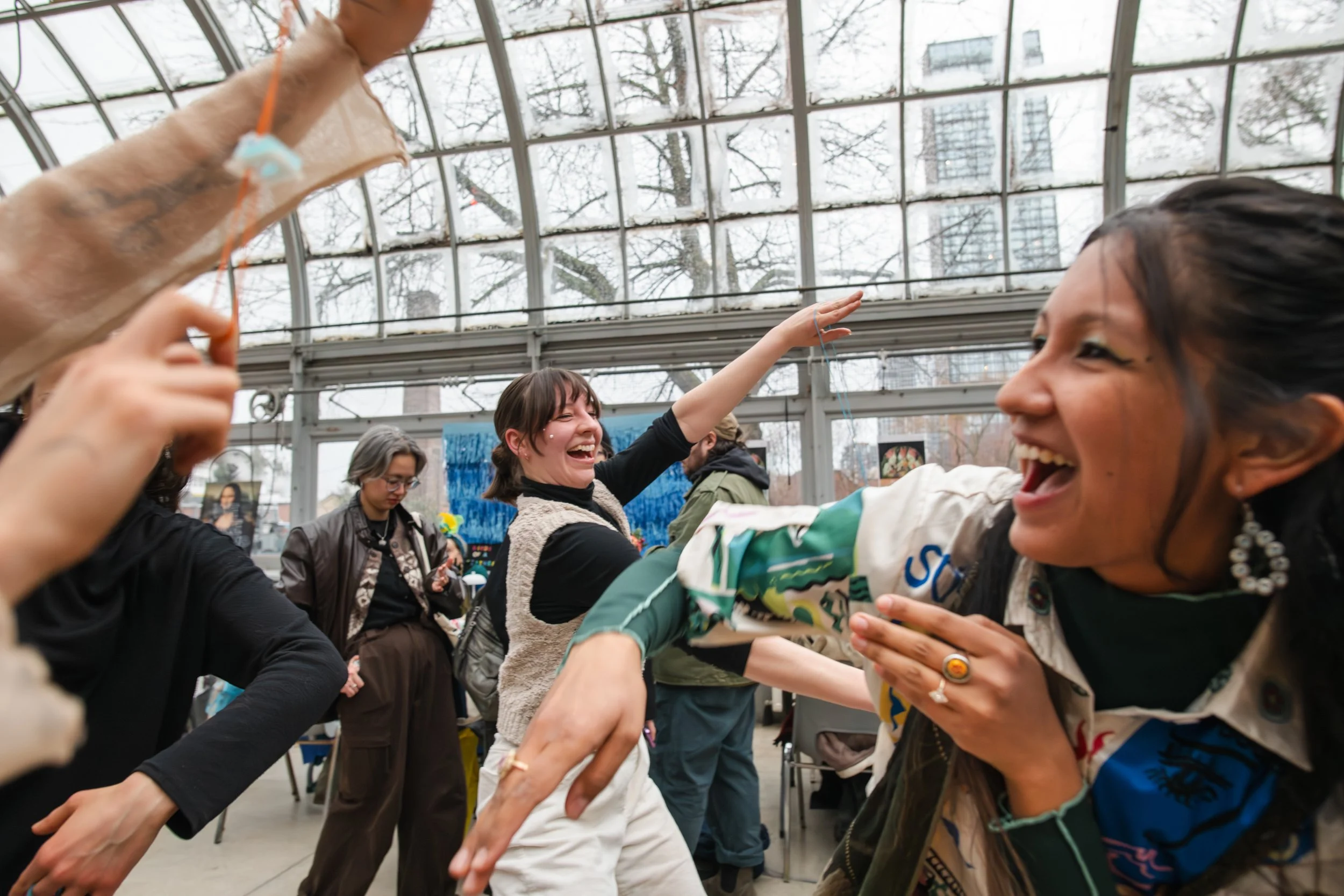
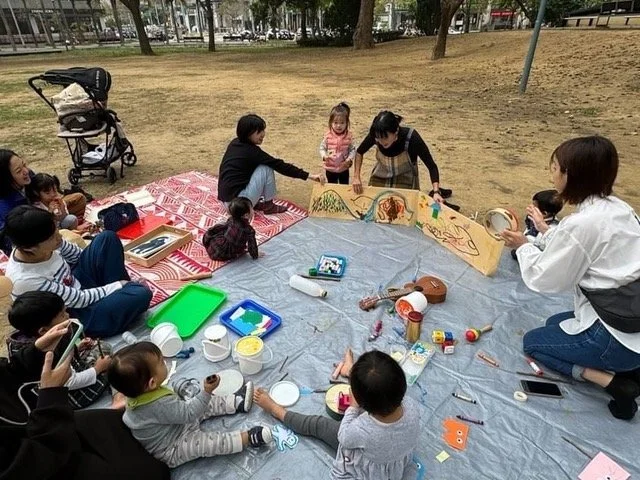
Goblin Market thrives in unconventional spaces: underutilized storefronts, urban greenhouses, and offices after work, and other public sites undergoing change. The intervention sites respond to the rising venue costs, instability in sustaining large-scale cultural spaces, and the growing trend of stacking functions in urban third spaces. The implementation process is responsive to place. First, the initial installation will ‘occupy’ the space; and then, local artists and communities will build upon and respond to it; lastly, the 3-evening experience of Goblin Market will animate the site through participatory performance. Rather than treating the venue as neutral, we treat it as a collaborator—choosing spaces with texture, history, and friction that shape the unfolding of the event.
Inhabiting Unexpected Venues
Inhabiting Unexpected Venues
Goblin Market thrives in unconventional spaces: underutilized storefronts, urban greenhouses, and offices after work, and other public sites undergoing change. The intervention sites respond to the rising venue costs, instability in sustaining large-scale cultural spaces, and the growing trend of stacking functions in urban third spaces. The implementation process is responsive to place. First, the initial installation will ‘occupy’ the space; and then, local artists and communities will build upon and respond to it; lastly, the 3-evening experience of Goblin Market will animate the site through participatory performance. Rather than treating the venue as neutral, we treat it as a collaborator—choosing spaces with texture, history, and friction that shape the unfolding of the event.
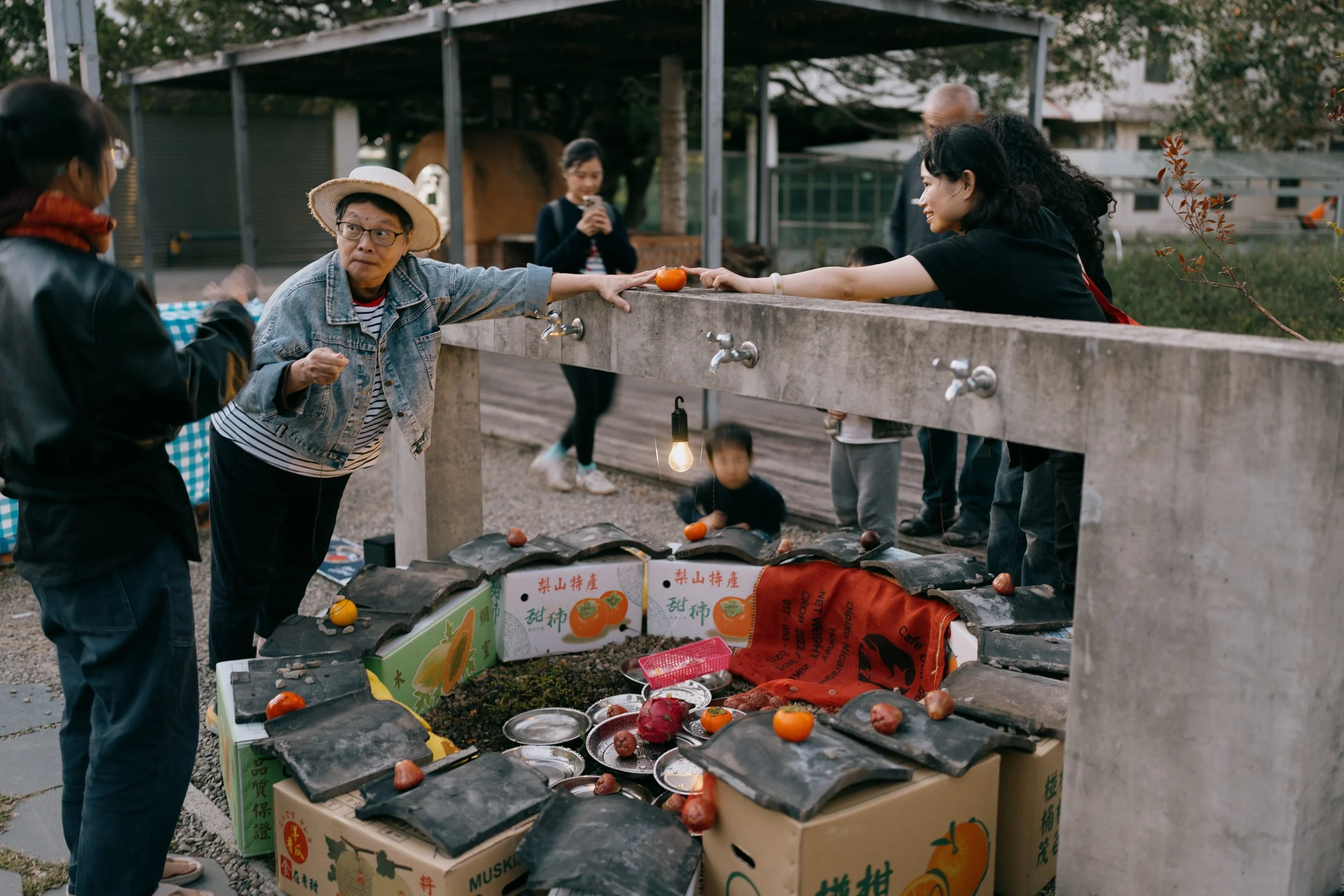
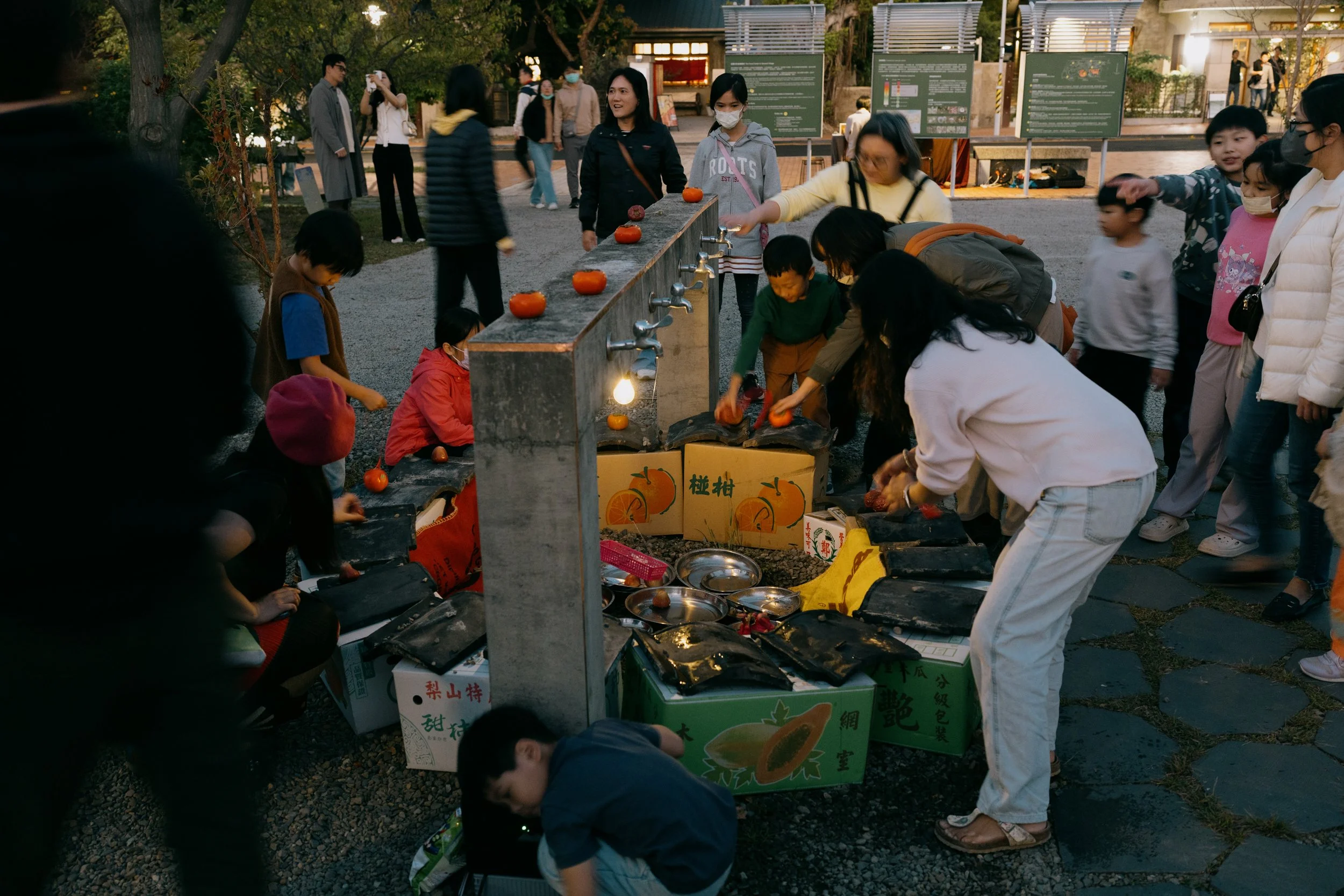
The final phase opens the world to the public. Rather than traditional exhibition-viewing, we prioritize encounters: immersive, interactive, and intimate. Art is experienced as ritual, invitation, or negotiation—not passive consumption. Each visitor may be asked to offer something of themselves: a story, a memory, a gesture. These interactions will be tracked in a living archive—contributing to a collective narrative about how we survive, build, and imagine together.
Audience Engagement as Encounter
Audience Engagement as Encounter
The final phase opens the world to the public. Rather than traditional exhibition-viewing, we prioritize encounters: immersive, interactive, and intimate. Art is experienced as ritual, invitation, or negotiation—not passive consumption. Each visitor may be asked to offer something of themselves: a story, a memory, a gesture. These interactions will be tracked in a living archive—contributing to a collective narrative about how we survive, build, and imagine together.