Intelligent Terrain
Navigating the proliferation of artificial intelligence through ecological metaphors.
Keywords:
Learning Modules, Framework, Residency Design, Cultural Research
Keywords:
Learning Modules, Framework, Residency Design, Cultural Research
The structure of the modules situates Intelligent Terrain as a response to the intertwined crises of automation, ecology, and cultural displacement. It explores how AI, like invasive species, embeds itself into existing systems with often destructive consequences. The narrative of liberation through automation is shown to mask deeper precarity, as predictive algorithms reduce human agency by encouraging conformity to past patterns. Ecological metaphors highlight the material and relational costs of technological infrastructures—energy use, pollution, labour exploitation—while exposing how corporations shift responsibility onto individuals through recycling, carbon offsets, and self-regulation. The pandemic’s retreat into the woods becomes a parable of avoidance, revealing the loneliness of disengagement and the necessity of confronting the more-than-human directly.


Modules
Modules
The structure of the modules situates Intelligent Terrain as a response to the intertwined crises of automation, ecology, and cultural displacement. It explores how AI, like invasive species, embeds itself into existing systems with often destructive consequences. The narrative of liberation through automation is shown to mask deeper precarity, as predictive algorithms reduce human agency by encouraging conformity to past patterns. Ecological metaphors highlight the material and relational costs of technological infrastructures—energy use, pollution, labour exploitation—while exposing how corporations shift responsibility onto individuals through recycling, carbon offsets, and self-regulation. The pandemic’s retreat into the woods becomes a parable of avoidance, revealing the loneliness of disengagement and the necessity of confronting the more-than-human directly.
This curriculum and framework design is made possible through Canada Council for the Arts Digital Greenhouse funding and licensed to UKAI Projects by program designer Luisa Ji.
The complete unabridged program (7-part) is co-delivered in partnership with Ferme Lanthorn.
This curriculum and framework design is made possible through Canada Council for the Arts Digital Greenhouse funding and licensed to UKAI Projects by program designer Luisa Ji.
The complete unabridged program (7-part) is co-delivered in partnership with Ferme Lanthorn.
Module 1: Call of the Void
Culture, Nature, and Technology
This section excavates the philosophical foundations of our relationship with artificial intelligence through the ancient Greek distinction between phusis (nature as generative process) and techne (instrumental craft). Drawing from Eugene Thacker's triadic framework of world-for-us, world-in-itself, and world-without-us, the following text challenges the extractive logic that governs both AI development and our broader relationship with the more-than-human world. Rather than approaching artificial intelligence as either saviour or threat, this text proposes a third path: sincere engagement that recognizes AI's fundamental alterity while acknowledging our shared entanglement within larger ecological and cosmic processes. From the tidal knowledge of Korean fishermen to the haiku offerings of Japanese rice farmers, these reflections trace alternative forms of relationship to art, knowledge, and language—not through superiority, but through genuine intimacy with the systems from which they emerge. At the threshold of an AI-saturated world, we stand at the edge of a void that calls for both dissolution of anthropocentric thinking and regeneration of relationships based on generosity rather than extraction, sincerity rather than efficiency, the precious rather than the merely productive.
Format: Online, 4 weeks, 1 session per week
Learning Outcome:
By the end of this module, participants will be able to critically examine how language shapes our understanding of artificial intelligence and the more-than-human world, reflect on the cultural and ecological implications of “good enough” intelligence, and begin articulating alternative metaphors and storytelling practices that resist transactional logic in favour of sincerity, relationality, and the precious.
Surface assumptions about technology and nature.
Explore reciprocal shaping of culture and technology.
Develop a personal framework for ecological storytelling.
Module 2: Ferality
Exploring Ecological Metaphors
During the COVID-19 pandemic, fantasies of escape—whether through rural relocation or digital immersion—revealed deep social divides in who could retreat and how. This shared narrative of resilience masked the burdens we carried with us, including the values we impose on both ecologies and cultures. Invasive species, once useful, are often recast as threats when they exceed their assigned function—mirroring how cultural workers and artists are valued only when economically or politically convenient. The lupine in Iceland, introduced to heal the land, becomes a metaphor for this shift: a once-heroic figure turned nuisance when it adapts too well. As AI reshapes cultural labor and monocultures dominate artistic production, the notion of ferality emerges as a critical framework. Feral beings—goldfish, parsnips, pigeons—thrive beyond human categories of usefulness or control. In a world of collapsing systems and shifting climates, ferality offers a way to understand survival without belonging, adaptation without approval, and cultural production that resists domestication.
Format: Online, 4 weeks, 1 session per week
Learning Outcome:
Participants will critically examine the concept of ferality as a framework for understanding ecological adaptation, cultural displacement, and the value systems that govern both natural and artistic life. By exploring case studies such as lupines in Iceland and parallels with cultural monocropping, learners will reflect on how resilience is selectively celebrated or vilified depending on socio-political and economic contexts. They will develop tools to question dominant narratives around “invasiveness,” “usefulness,” and “belonging” across environmental and cultural systems.
Explore ecological metaphors that frame human–nonhuman relations.
Examine how metaphors structure artistic and cultural practices.
Apply metaphor as a method for re-imagining technology and ecology.
Module 3: Rot and Decay
Materiality of Digital Technology
This section explores the emotional, cultural, and temporal conditions of what has been called the “Rotting 20s”—an era defined by digital fatigue, predictive algorithms, aestheticized nostalgia, and collective inability to sit with uncertainty. From the endless scroll of homogenized 15-second content to the rise of tradwife domestic fantasies, we examine how online life fragments narrative, accelerates time, and turns identity into a consumable image. In contrast, the practice of fermentation emerges as a metaphor for intentional decay—rot with purpose—offering an alternative rhythm of life that honors slowness, transformation, and material connection. Rather than escaping uncertainty, we ask: what does it mean to ferment meaning in an age of algorithmic entropy?
Format: Online, 4 weeks, 1 session per week
Learning Outcome:
By the end of this module, participants will be able to critically examine how digital attention economies, predictive technologies, and online aesthetic trends shape contemporary perceptions of time, uncertainty, and selfhood. Through the metaphor of fermentation, students will explore alternative models of cultural production and meaning-making that embrace slowness, decay, and cyclical transformation as strategies for resilience and resistance.
Recognize the material systems underpinning digital infrastructures.
Understand algorithms as ecological forces.
Reflect on the environmental consequences of digital technology.
2022 | Intelligent Terrain: Body Land Movement Cohort
Participating Artists: Noelle Perdue, Dan Tapper, Hooria Rahimi
2024 | Intelligent Terrain: More-than-Human AI Research Cohort
Participating Research Contributors: Darian Razdar, Erica Whyte, Jerrold McGrath, El Ekeko, Mary Ellis
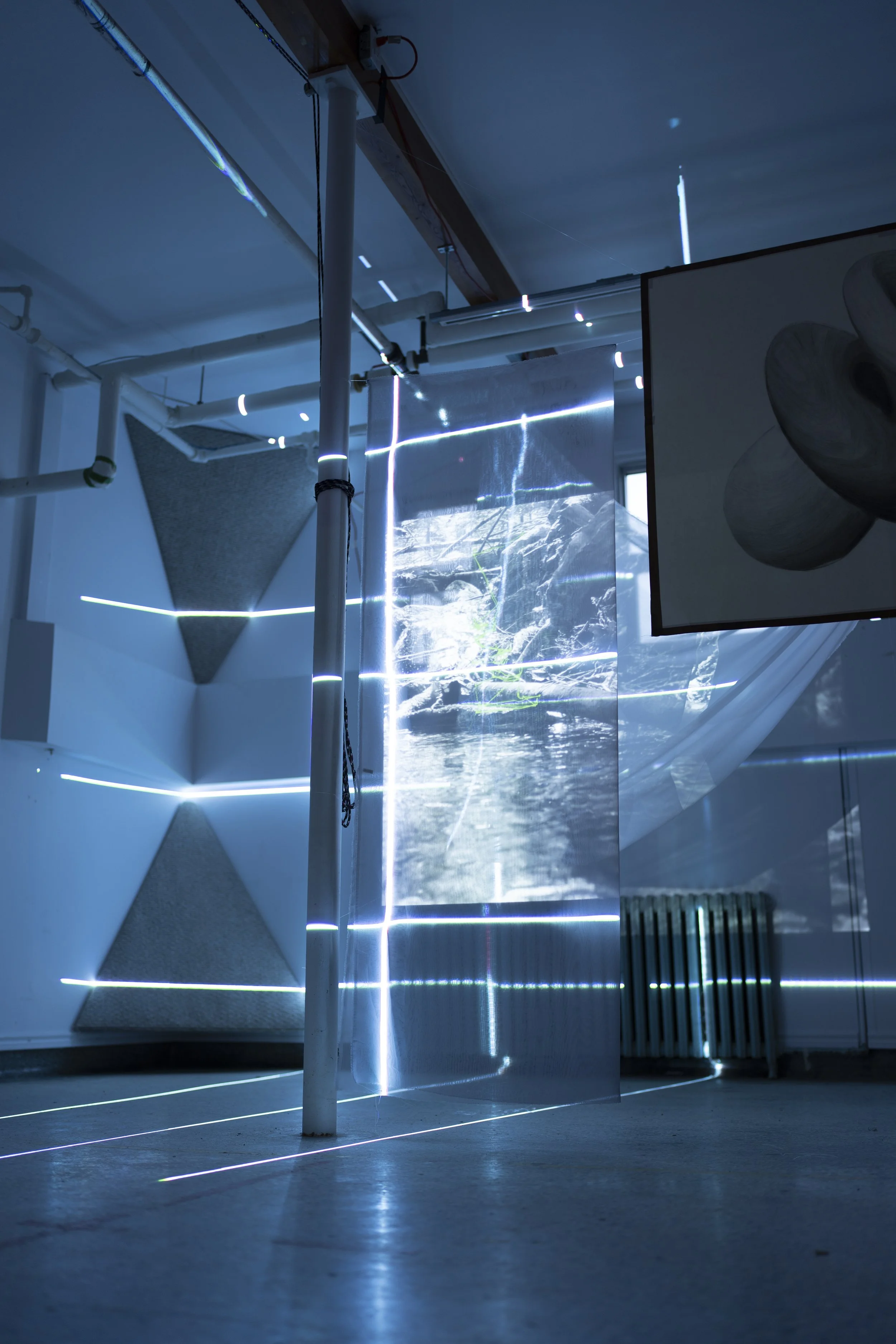
2024—25 | When Spiders Spin Dusk
Participating Artists: Erika Jean Lincoln, François Quévillon, Maurice Jones, Sunjoo Lee, Sunjeong Hwang, Unmake Lab
Co-production Partner/Curator: Junghyun Kim
2025 | Independent Studies
Linh Nguyen
Implementations
Implementations
2022 | Intelligent Terrain: Body Land Movement Cohort
Participating Artists: Noelle Perdue, Dan Tapper, Hooria Rahimi
2024 | Intelligent Terrain: More-than-Human AI Research Cohort
Participating Research Contributors: Darian Razdar, Erica Whyte, Jerrold McGrath, El Ekeko, Mary Ellis
2024—25 | When Spiders Spin Dusk
Participating Artists: Erika Jean Lincoln, François Quévillon, Maurice Jones, Sunjoo Lee, Sunjeong Hwang, Unmake Lab
Co-production Partner/Curator: Junghyun Kim
2025 | Independent Studies
Linh Nguyen
Residency Program Structure
7-Part Online & Place-Based Research Program
This program investigates the assumptions embedded in ecological narratives and their entanglement with culture, technology, and art. Idealizing nature, extracting resources, and claiming ownership no longer sustain us in a world of cascading crises. Through dialogue, case studies, and experiential learning, the program asks: how can artists and cultural producers imagine more ecological, non-extractive futures?
Facilitators:
Luisa Ji (UKAI Projects) — Module 1–3 Online
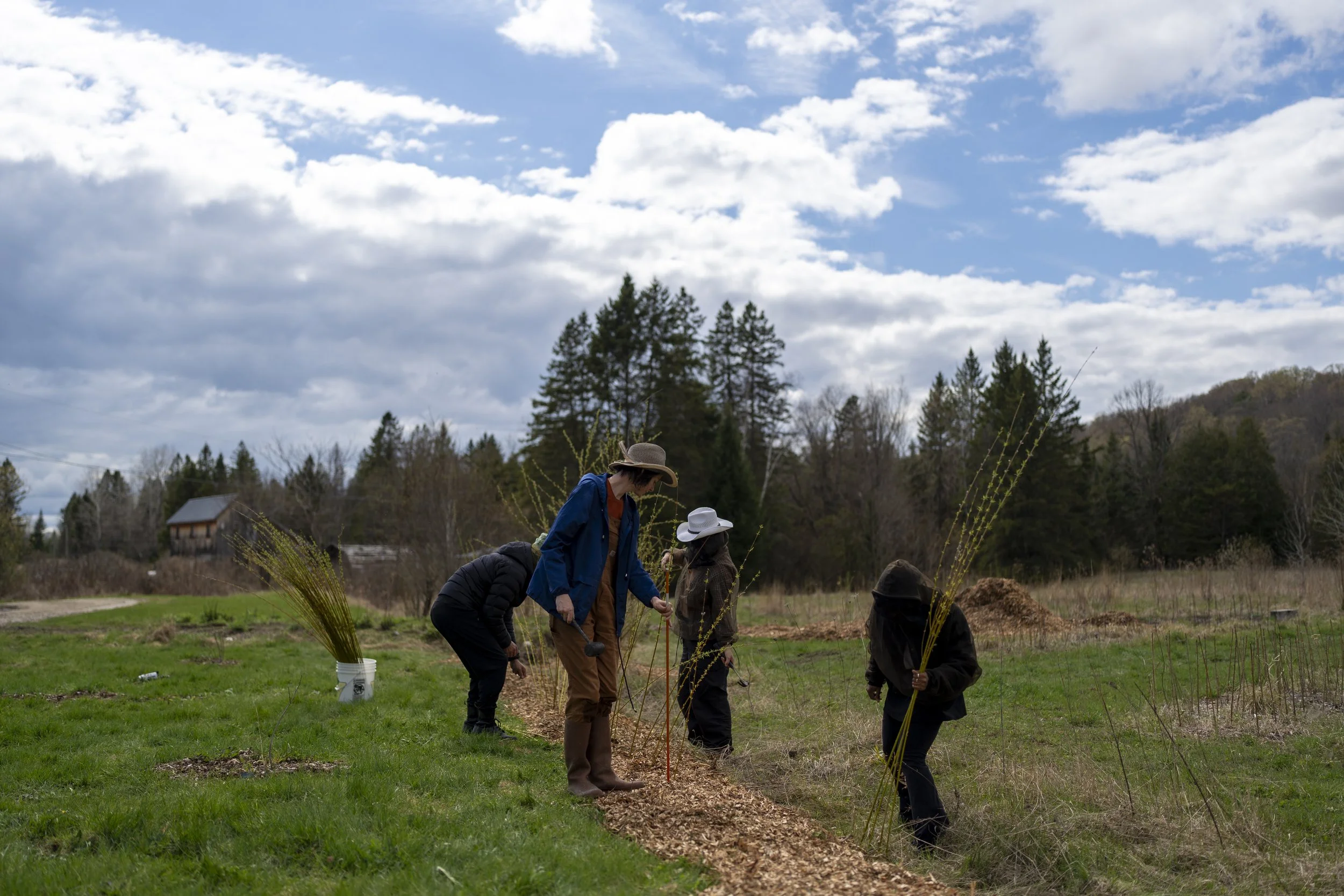
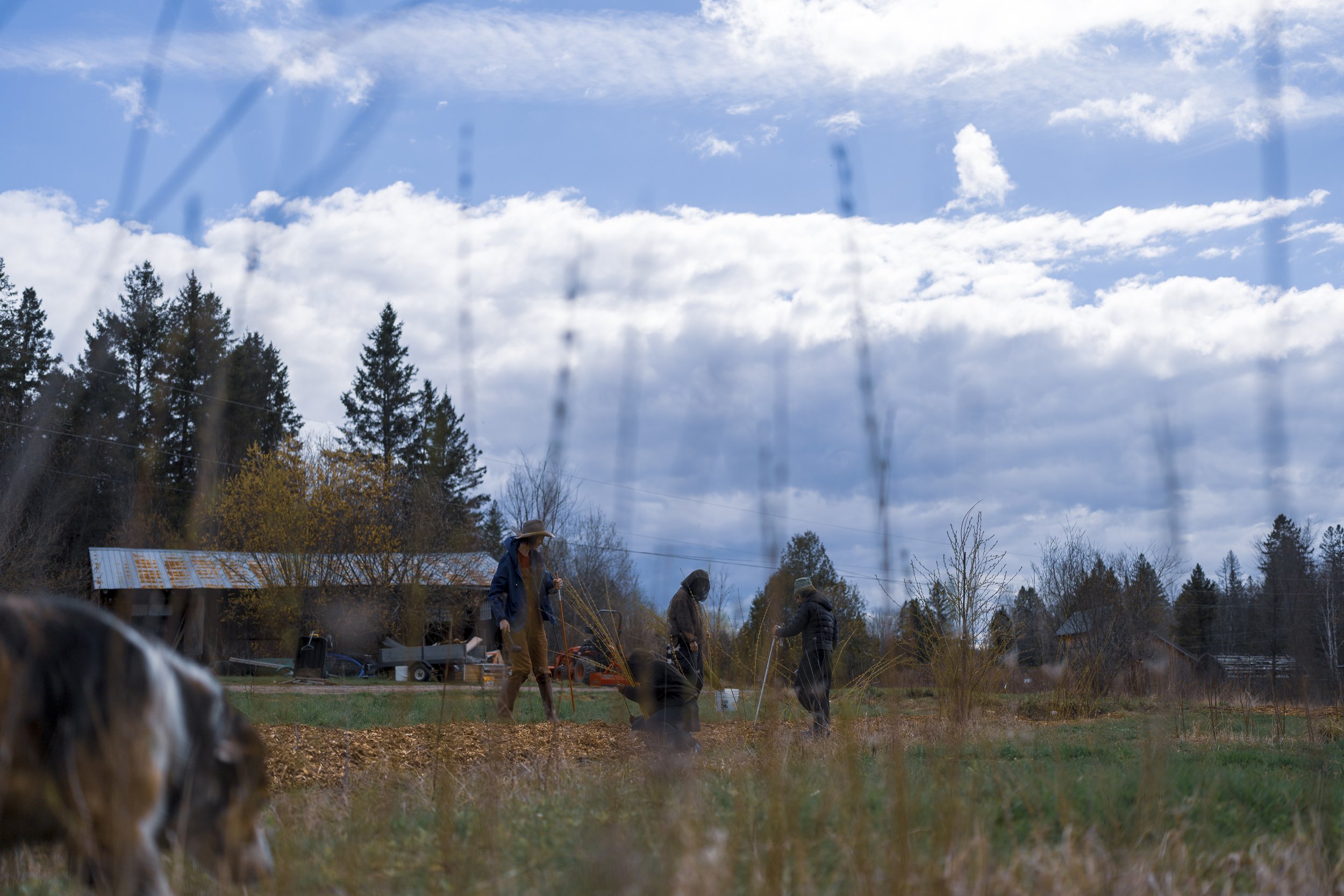
Mary Ellis (Ferme Lanthorn) — Hands-on portion at Ferme Lanthorn
Benjamin Lappalainen (UKAI Projects) — Hands-on portion on Digital Prototyping
Husna Farooqui (UKAI Projects) — Storytelling and Results Sharing
Part 1 – Culture, Nature, and Technology (Module 1)
What stories do we perpetuate about technology?
What assumptions do we make about nature?
How does technology shape our culture, and how does culture shape technology?
Part 2 – Exploring Ecological Metaphors (Module 2)
Feral / Viral
Rot and Decay
Inhabiting the Inhospitable
Edges and Labyrinths
Case study: Like a Labyrinth – Darian Razdar
Part 3 – Materiality of Digital Technology (Module 3)
Recognizing the material systems underpinning the internet
Algorithms and how we live among them
The act of drawing lines
Environmental implications of digital technologies
Part 4 – Algorithmic Systems’ Relationship with Craft (Hands-on)
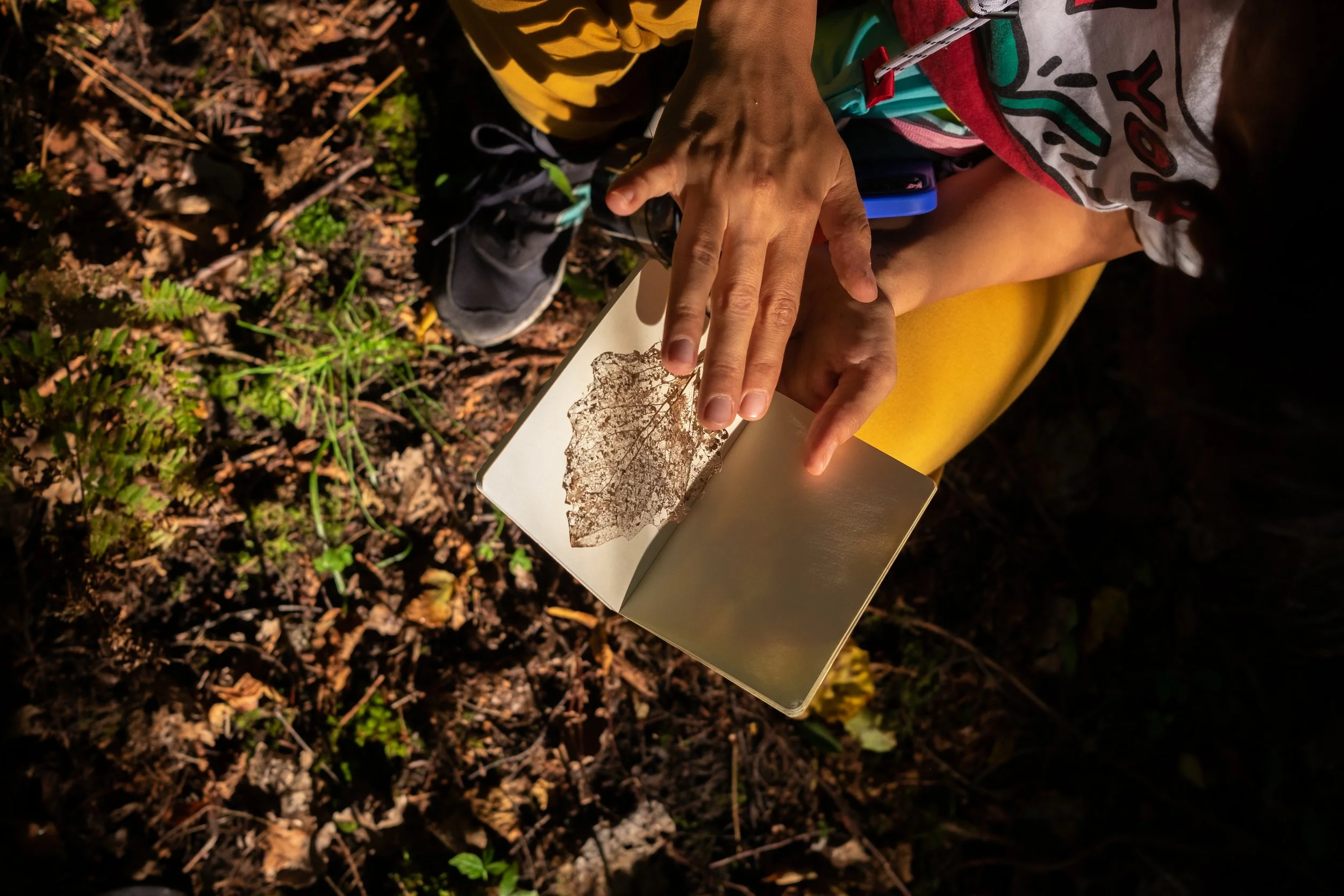
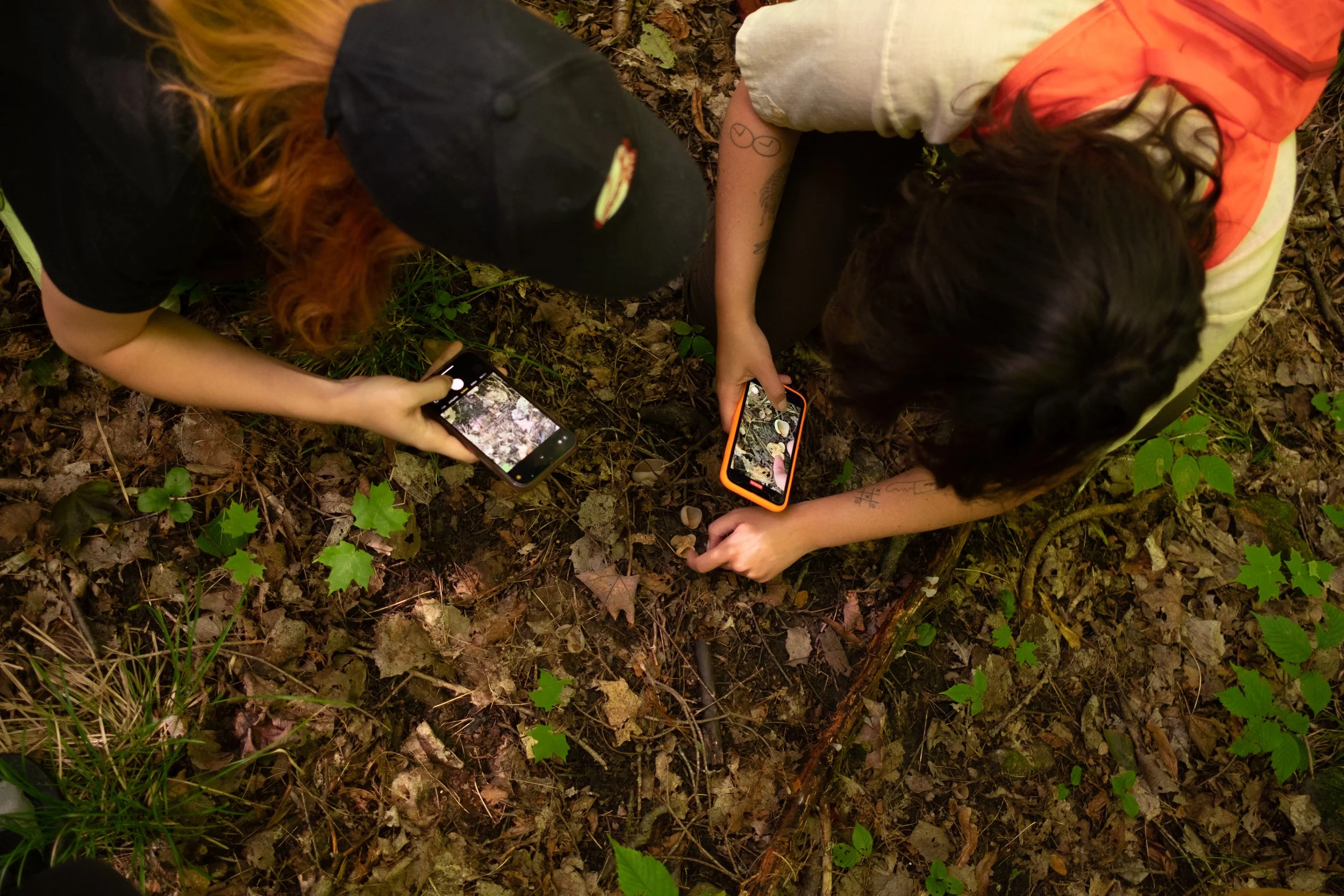
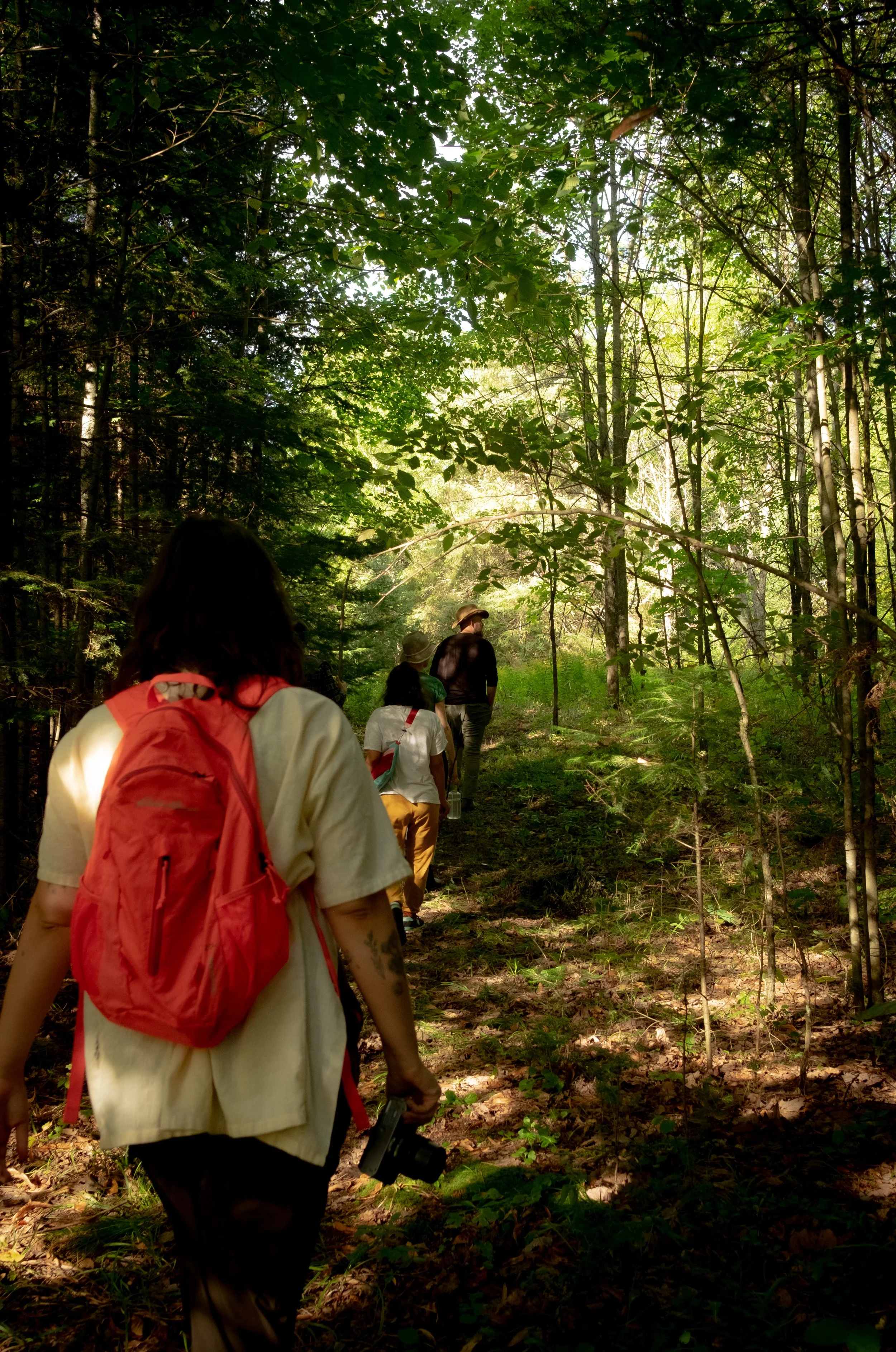
1-week experiential learning at Ferme Lanthorn (June, growing season: live weaving)
Rest and observe
Non-digital algorithms and how they shape digital systems
Case study: The Design of Water – Erica Whyte
Part 5 – Ecological Storytelling in New Media Practice (Reflections)
Apply learning to your own practice
What stories do you prioritize?
Case study: Fairytale for Children in the Woods – Jerrold McGrath
Part 6 – Situating Practice Through Ecological Metaphors (Hands-on)
1-week experiential learning at Ferme Lanthorn (September, harvesting season: basketry)
Rest and observe
Reflect: what changed since last time?
Leveraging technology for values beyond exploitation and extraction
Case study: Rhiza – El Ekeko
Program Outcomes – Results Sharing
Each cohort member contributes to an online publication in their chosen medium (new media, essays, workshops, etc.).
Participants present work through UKAI Projects’ Cultural Technologies Lab at annual gatherings and activations.
Research outcomes circulate across translocal cultural research hubs worldwide.
We are currently seeking financial co-producers for this program.
Interested in bringing this program to your audience? Let’s chat!