Residency | Parallel Playground | UKAI Projects + World Creation Studio
UKAI Projects and World Creation Studio jointly launching a residency program with 2 streams running in parallel. Application open until Aug 15.
About Parallel Playground
This residency titled Parallel Playground, an initiative by UKAI Projects in partnership with World Creation Studio, asks how artists can work with current paradigms and technical systems without sacrificing creative autonomy. Rather than forcing artists to choose between polarized, fragmented options (or none), the program invites participants to experiment with lighter ways of making, sharing, and sustaining the networks that underpin their creative practice—approaches that reduce technical, material, or infrastructural overhead while keeping artists situated in what’s unfolding.
The residency is designed for creatives curious about what it means to build and work more intentionally, staying nimble and retaining agency over the tools and systems that shape creative work, from ecological metaphors to technological infrastructure.
The residency combines online discussions with weekly in-person collective sessions at World Creation Studio, where participants from both streams will meet for project sharing, technical introductions, collaborative experimentation, and exchange. These sessions will support the development of ideas and relationships leading into the intensive residency week and final public presentation.
Unfolding in parallel, the two streams will come into alignment during a final shared encounter, creating space for unexpected collaborations to emerge at the branching of a new network.
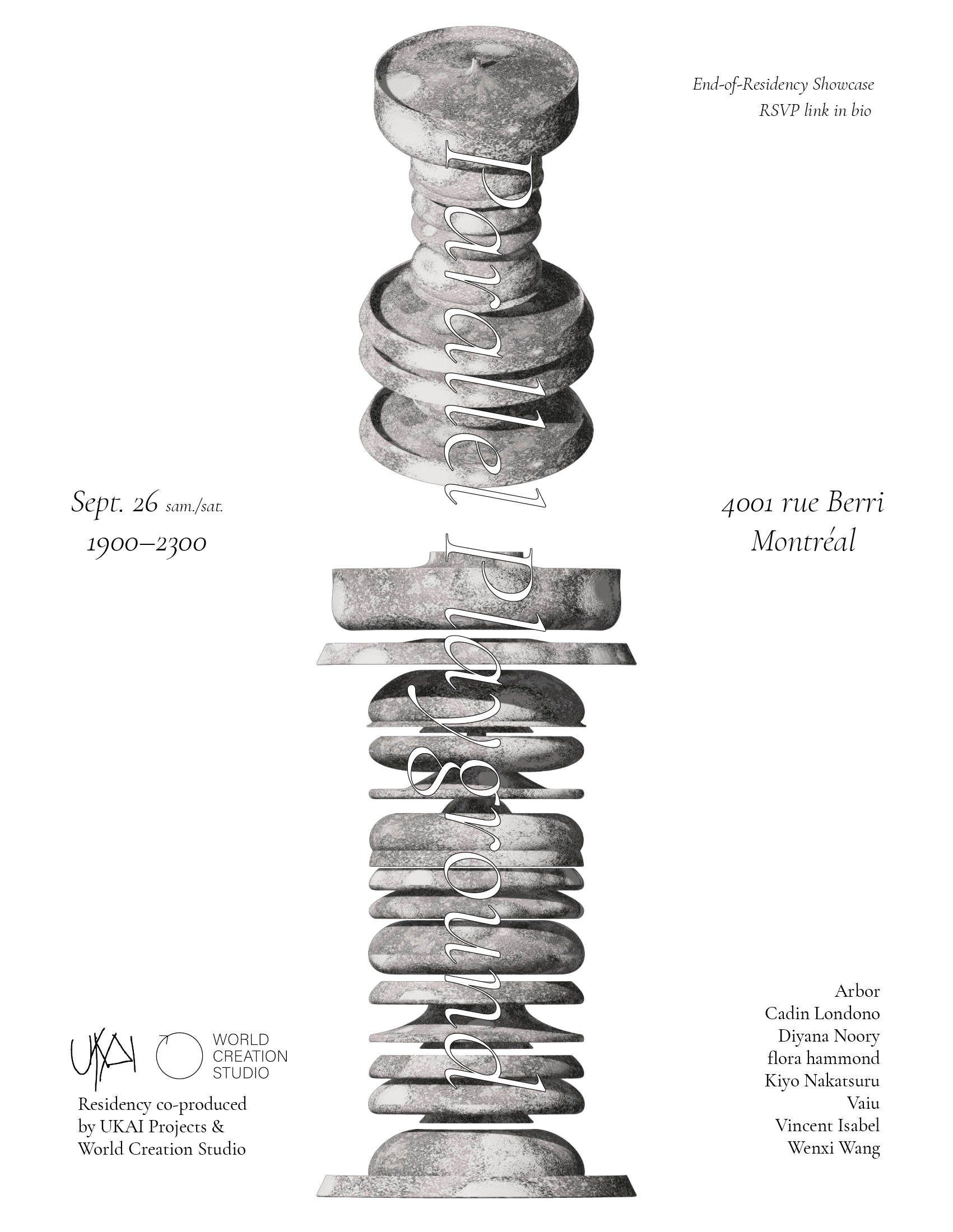
Join us on September 26, 7 pm–11 pm, for the closing showcase of Parallel Playground, a month-long residency exploring creative autonomy, technological infrastructure, and new ways of working across art and technology.
The evening offers an informal space to encounter new work and exchange perspectives around AI, digital and material practices, situated technologies, storytelling, and creative infrastructure.
About World Creation Studio
World Creation Studio is an artist-run nonprofit based in Tiohtià:ke/Montréal supporting experimental practices across sound, digital media, and interdisciplinary art. Founded in 2020, the studio has supported a growing network of artists through residencies, workshops, shared production resources, and public programs spanning talks, concerts, exhibitions, and other forms of artistic exchange.
Its programming is developed through artist-led initiatives that create space for research, experimentation, technical learning, and collaboration across emerging technologies and contemporary media practices. Within this residency, World Creation Studio serves as a shared environment for collective sessions, project development, peer exchange, and hands-on exploration, supporting participants as they test ideas, develop new working methods, and move between conceptual inquiry and practical experimentation.
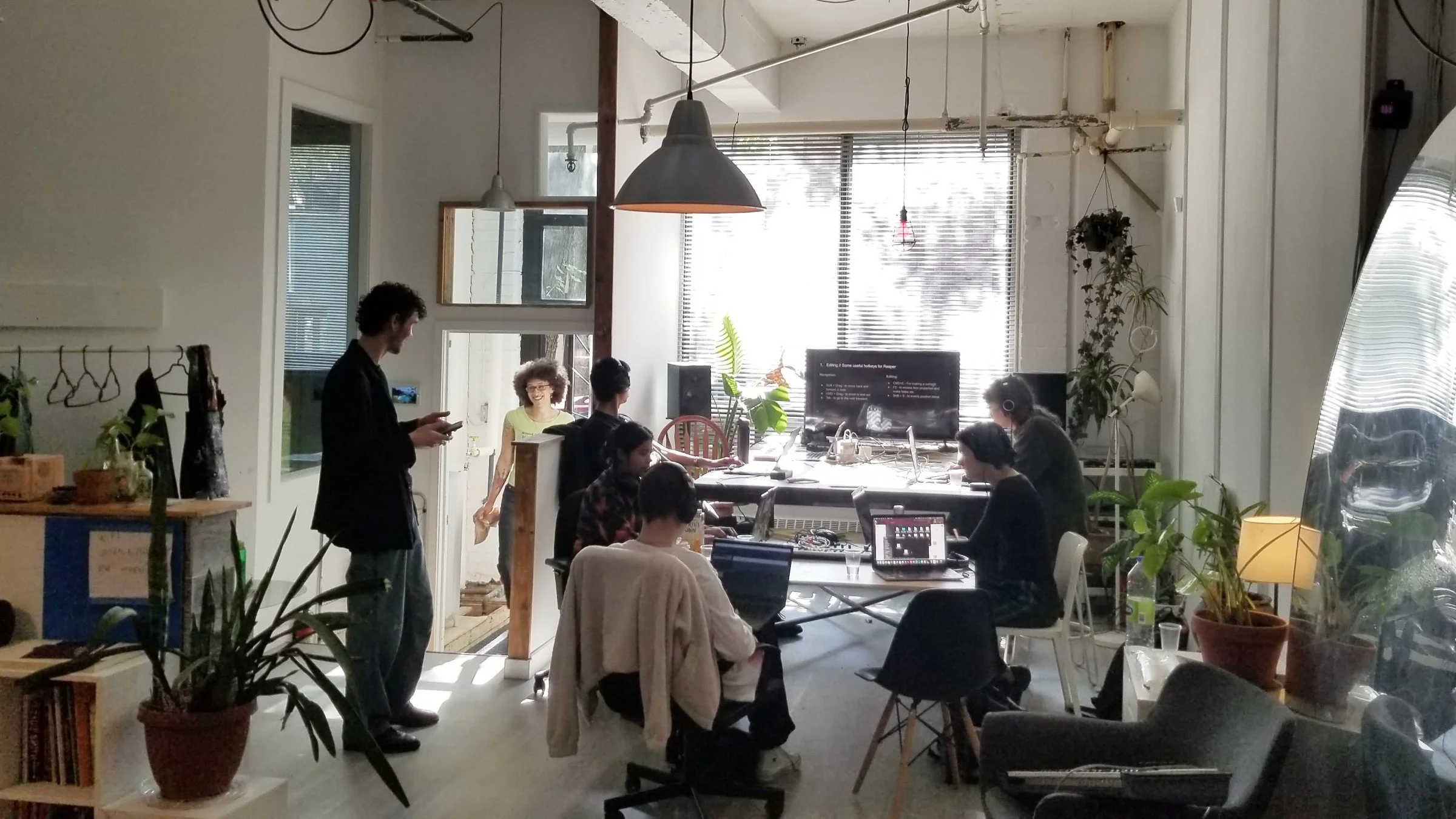
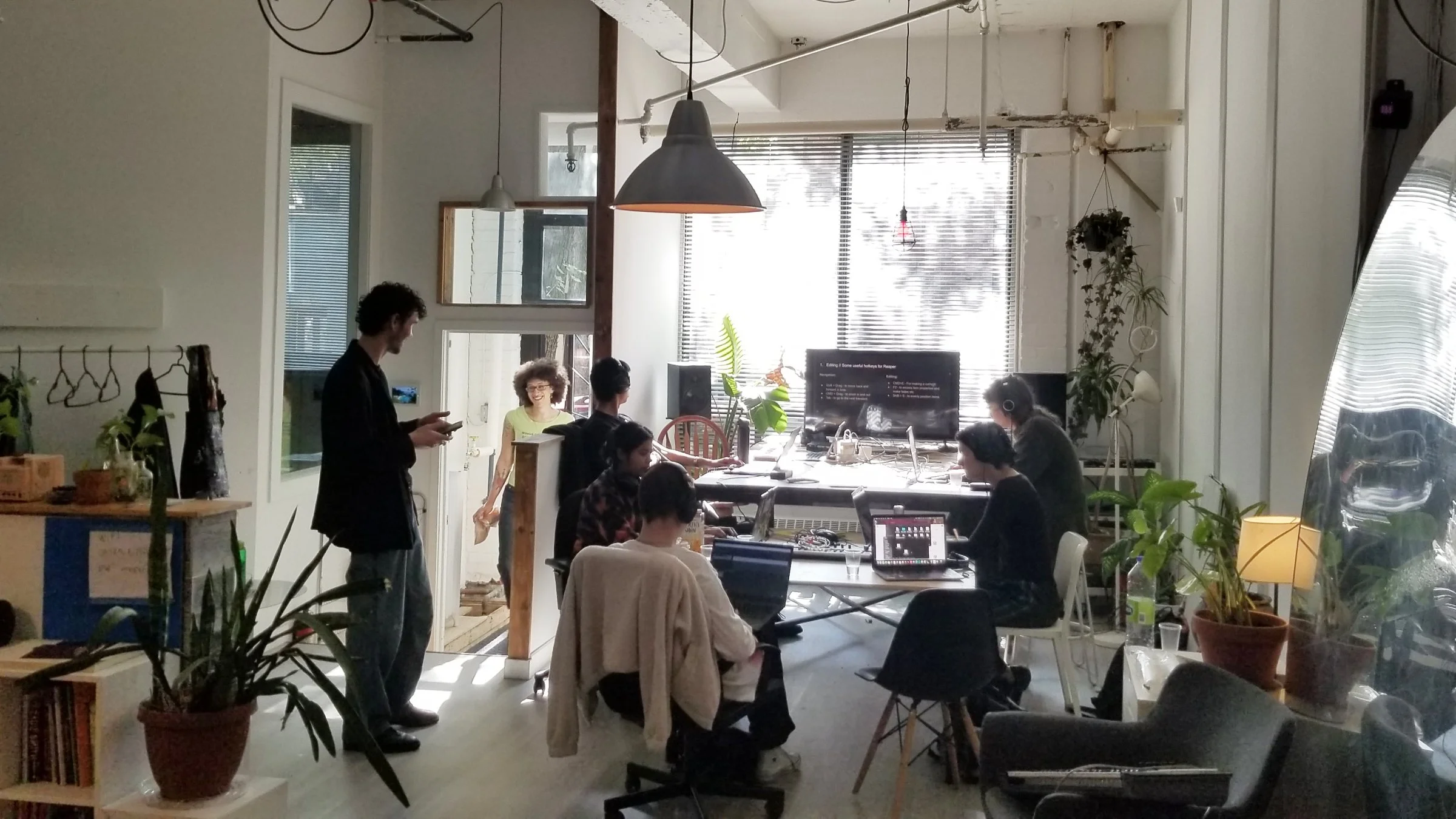
World Creation Studio (interior)
Meet the Cohort
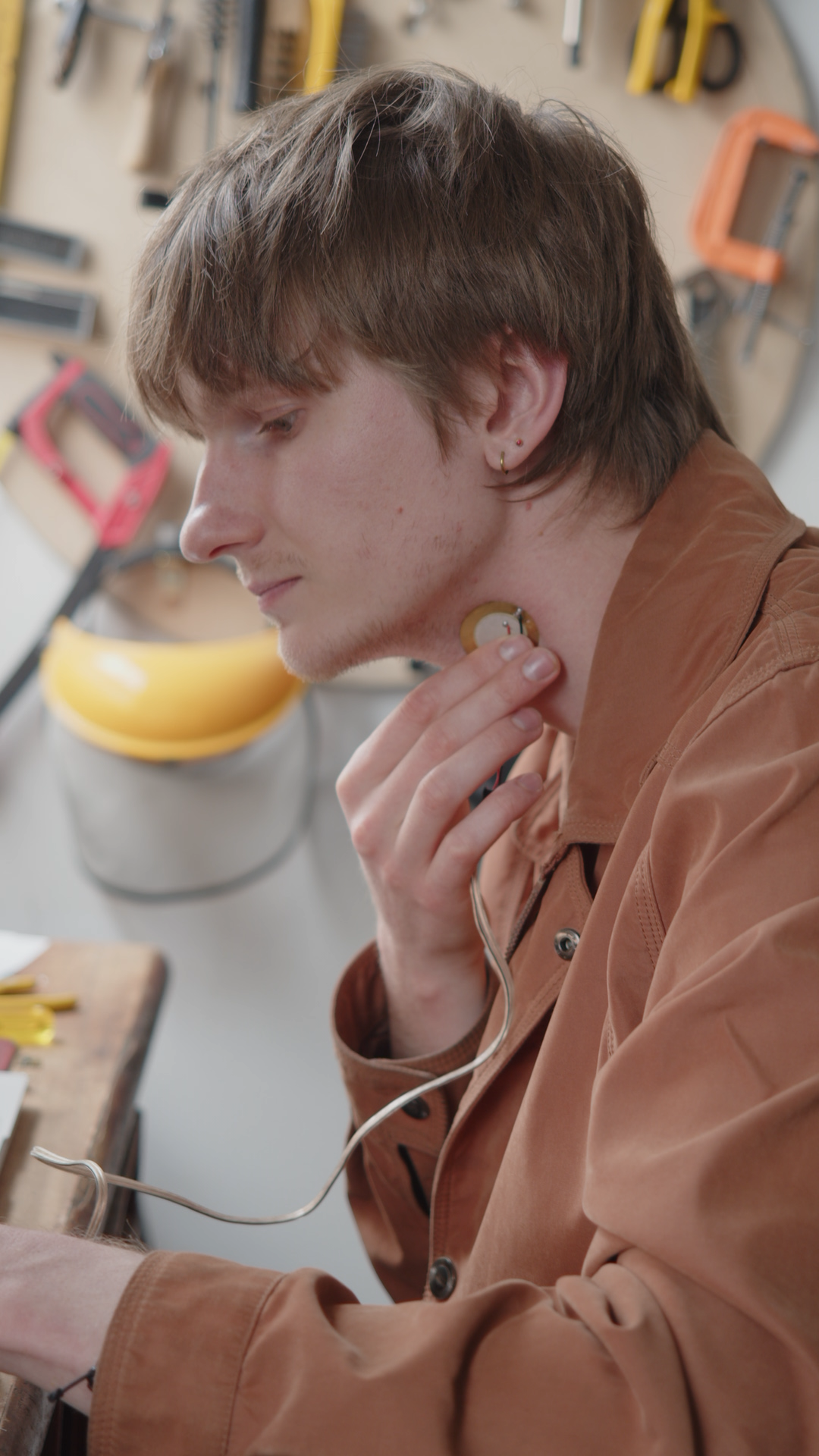
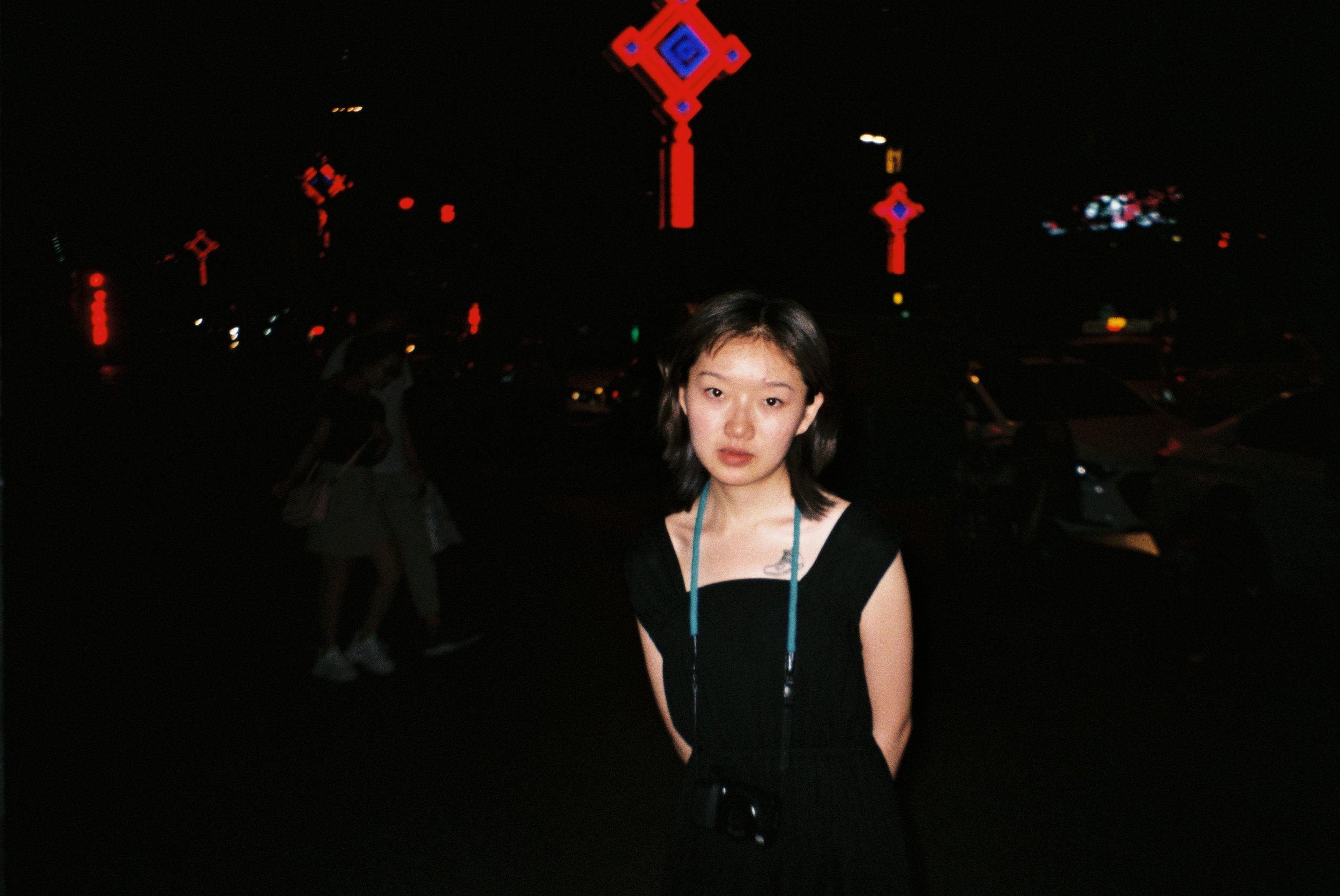
Parallel Playground emerged from a reflection on what agency looks like when we live among automated systems that leave an ever-shrinking gap for us to play, learn, and feel supported when things don’t go as expected.
A cohort that reflects what we need in a creative practice designed to support risk-taking is a higher priority than fitting people into categories and ranking them by scores.
Some questions came up about the emphasis on this being an ambitious, fuzzy, and challenging program—is this what UKAI Projects wants people to take away when they talk about Parallel Playground? In part, yes. The other half of the story is that what remains ambitious, fuzzy, and challenging requires spaces that support it. We, as organizers, set the conditions before it becomes a team sport, with the cohort collaborating with us to shape what emerges in their individual and collective practice—fermentation.
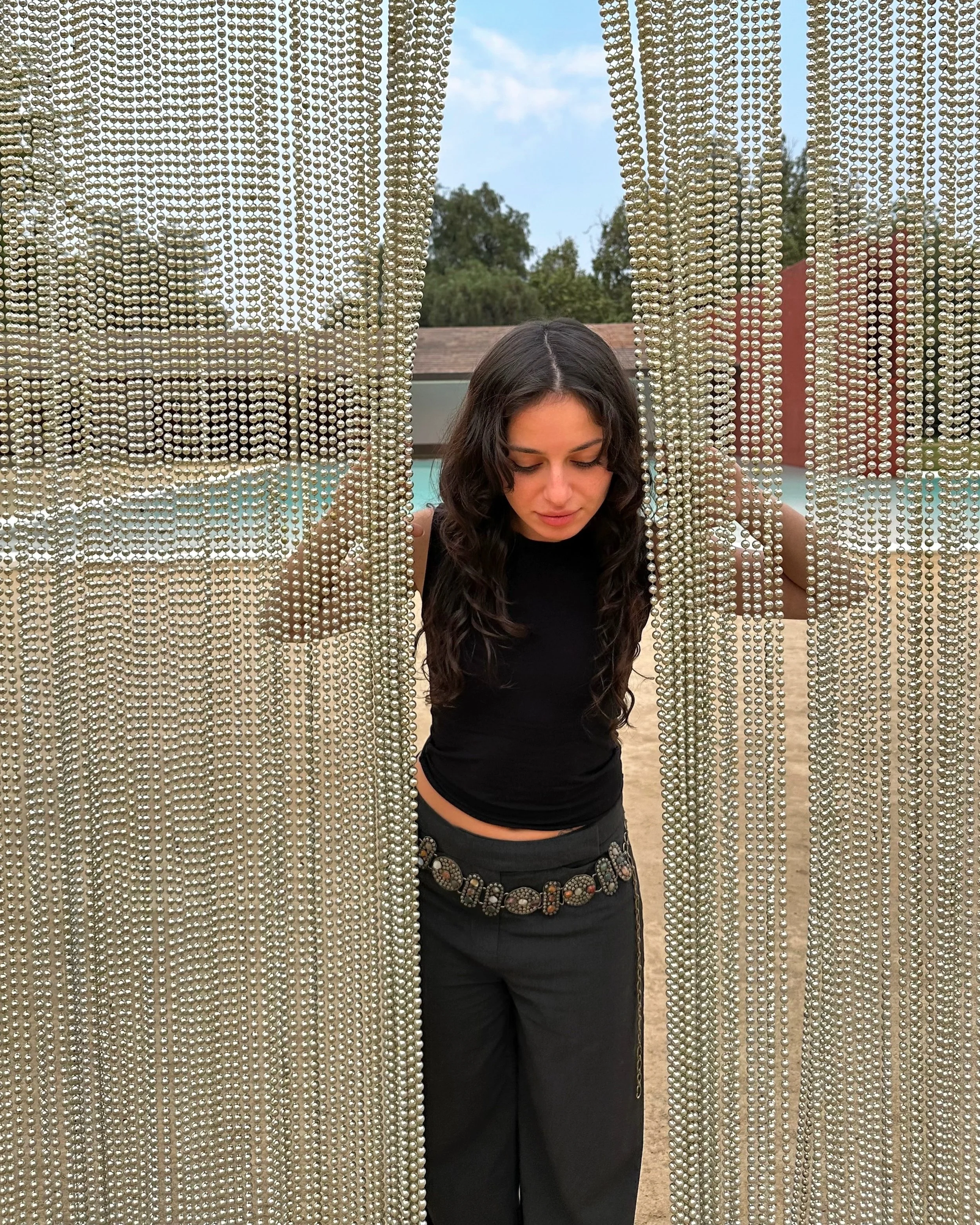
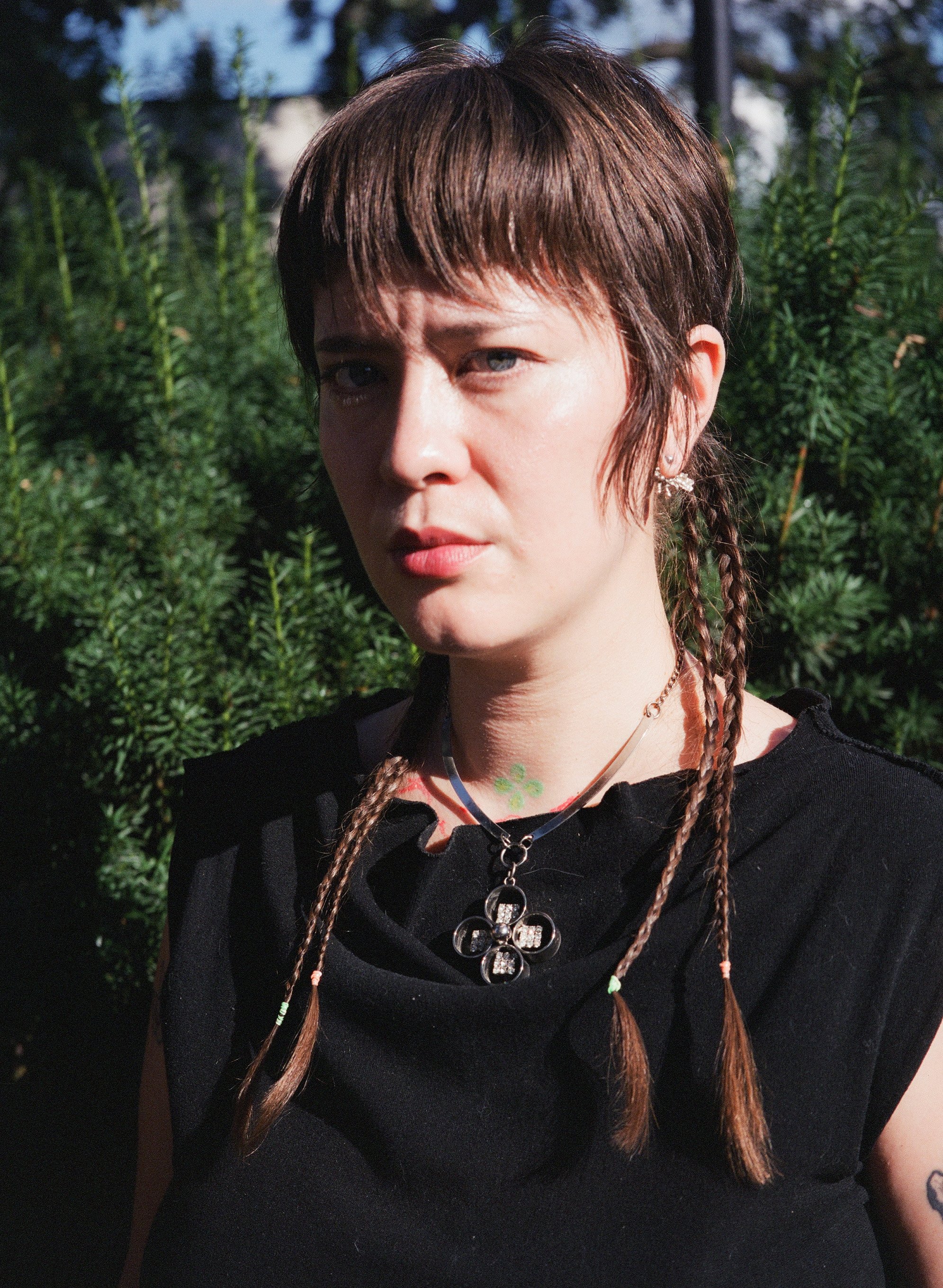
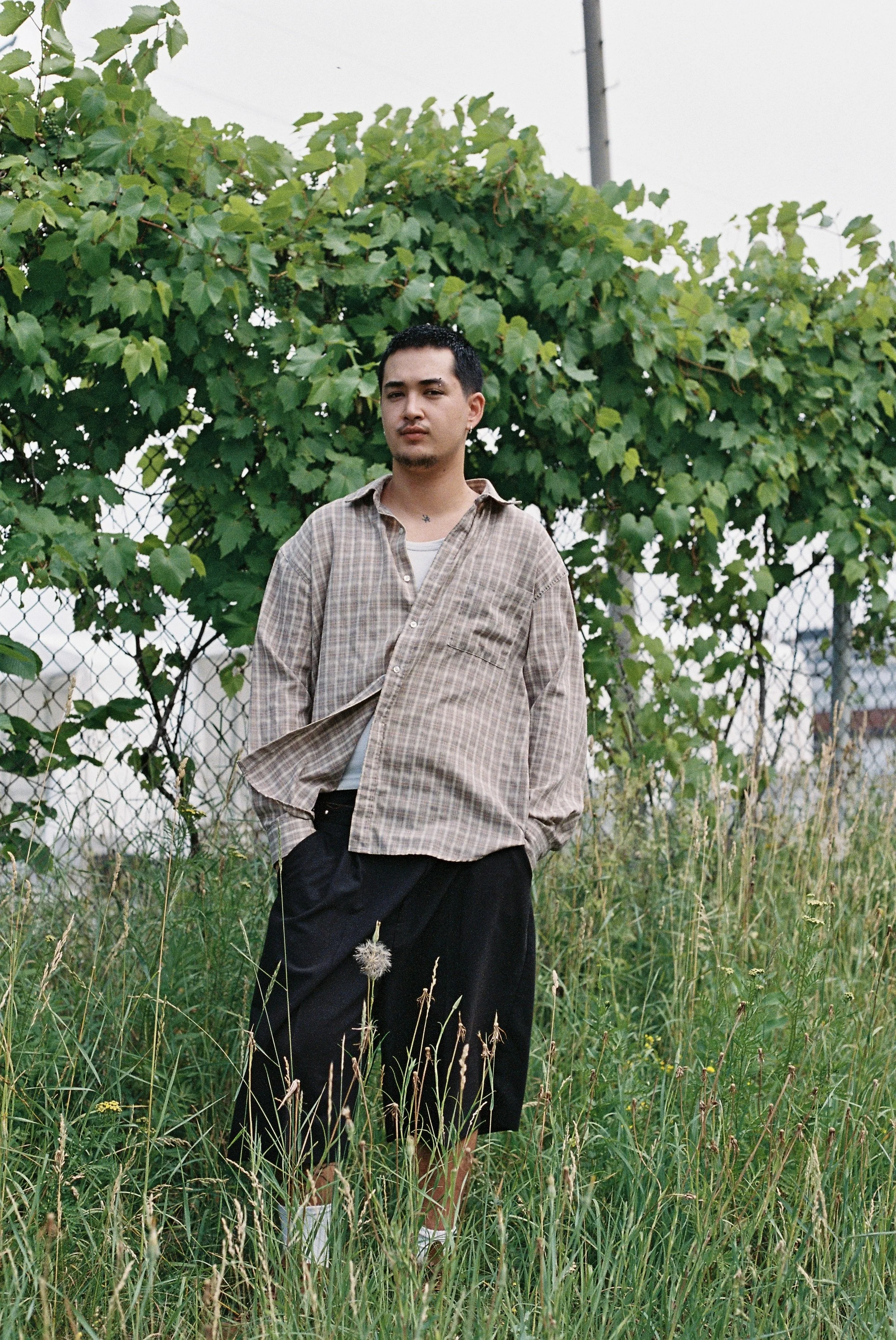
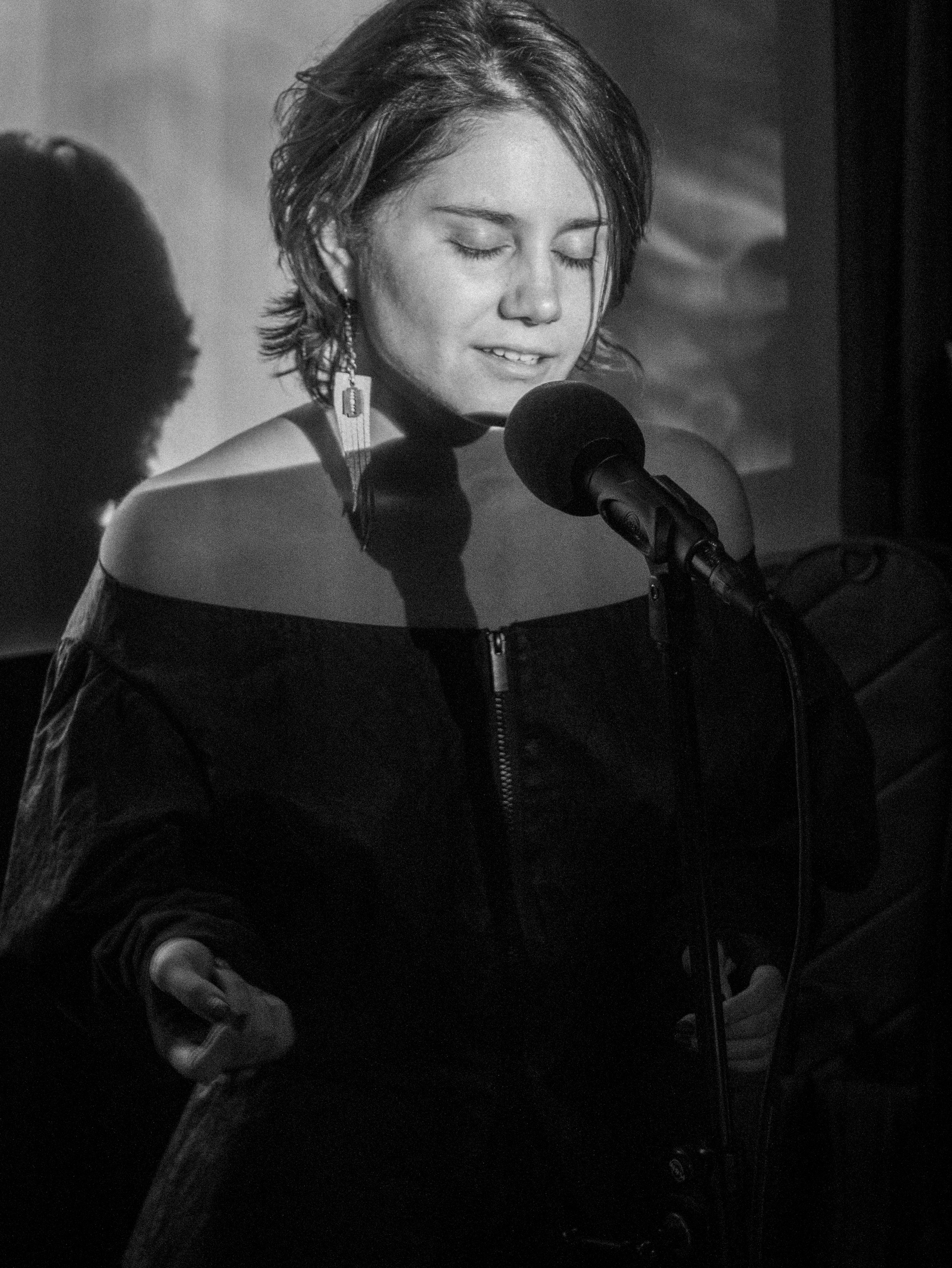
We are working with a cohort with varied professional experience, technical expertise, and creative inquiries. The process behind our decisions to bring them together reflects and deepens how World Creation Studio and UKAI Projects understand the questions we posed for this program.
Logistics
Residents will be selected through a combination of peer nominations and open applications.
The two residency streams are designed to support knowledge sharing, experimentation, and network-building. Projects may take a range of forms, and there is no requirement to arrive with a fixed outcome.
All residents will have access to World Creation Studio for coworking, project development, and introductory technical workshops throughout September. Montréal-based residents will be prioritized so participants can make full use of the studio and its resources.
Research stream: 4 places
Four weekly discussions September 3, 10, 17, 24, including three evening online sessions and one in-person session at World Creation Studio, followed by collaboration with the technical stream from September 21–25.
Technical stream: 4 places
A five-day in-person intensive at World Creation Studio, including collaboration with the research stream from September 21–25.
Participating residents must be able to attend no less than 85% of the program.
Timeline:
Aug 4 | applications open
Aug 15 | last day to apply/nominate (23:59 EDT)
Aug 20 | selected participants and back-up selections will be contacted via email
September 2 | program orientation for both streams (online, 17:00–18:00 EDT)
September 3–21 | all residents will be able to access co-working facilities and related programming at World Creation Studio
September 21–25 | full-day residency at World Creation Studio
September 25/26 | end-of-program showcase
Participation:
The residency is open to applicants outside Montreal. However, priority will be given to those who can fully participate in the in-person components, including the final intensive week. While some activities will be online, the program is not designed for fully remote participation.
Please note that the program does not provide funding for travel, accommodation, or other costs associated with attending the residency in Montreal.
Funding:
We thank the Canada Council for the Arts and individuals who have chosen to support UKAI’s work for making this program free of cost to residents, which would otherwise be $2250 per resident, including studio time, facilitators, program development, and the showcase.
Honorarium:
You will be paid a $300 honorarium for developing and sharing new knowledge through your contribution to a collective open-source toolkit, and a $100 materials budget for your end-of-program showcase.
Application Closed
Residency Streams
Research StreamIntelligent Terrain: Rot
In the negotiation over how algorithms run our lives, we are navigating a particular kind of dead end: not the kind where you hit the wall—the precise moment when your phone turns into a brick yet your fingers can’t help but scroll out of muscle memory. The compulsion that looks like momentum from the outside and feels like possession from the inside. The blame-praise cycle of who caused this and who will save us from it renders failure structurally illegible. The new technologies running alongside us are extraordinarily good at producing the outputs of human experience while making the conditions for that experience harder to sustain—the spiking cost of compute eventually makes computing unaffordable for people who consume its outputs. Then what?
This residency stream anchors itself in what escapes the predetermined categories of the dataset. The immeasurable details: space, time, material... The frantic handwriting that OCR (Optical Character Recognition) is still learning to read. The coordination of senses when you steep a perfect cup of tea. These are also a form of knowing.
We are asking what it means to have a body in space and time—when automation runs in parallel with what becomes second nature, and when the default state risks becoming its own enclosure. We must burst it open—like rot, like fermentation.
Who are you: A creative and cultural producer with a material, spatial, and temporal practice that begins with writing or archiving as meaning-making. You are curious about AI and its impact on culture. You are comfortable working with an ambiguous, open-ended process. The willingness to place your work next to questions it wasn't designed to answer is strongly recommended.
What is this program about:
Through the month of September, we will work collaboratively in response to not being allowed to fail, the extraction of every last bit, and the compulsory participation in a failing system that can't stop.
Technical StreamDigital Bridges
Every connection you make passes through a building you will never see. A file sent to someone sitting across the room from you travels to a data centre in another province and comes back. A light you switch on in your own apartment asks permission from a server. This gets described as the nature of the internet, as though it were weather. It is a business model, and it was assembled by people making choices, most of which can be unmade.
What disappears in that arrangement is the sense that infrastructure is something you could touch. The network becomes a service you subscribe to rather than a thing you build. Artists inherit this as a set of assumptions about what is possible: that collaboration at a distance requires a platform, that anything shared must first be uploaded, that the tools you work with are the tools you were given. None of this is true. It is just expensive to find out otherwise, and nobody is paid to teach you.
This program anchors itself in the smallest possible counter-example. Two laptops. A network you configured yourself. A signal passing between them that touches no hardware but your own. It is not much. It is enough to make the larger claim of inevitability difficult to believe.
Who are you:
A creative and cultural producer with a practice that already brushes against technology, whether or not you would describe yourself as technical. You bring a tolerance for setup, troubleshooting, and the parts of the process that resist being interesting. You are willing to be a beginner in public. You have some appetite for collaboration that is not fully specified in advance, since a good portion of this week is two cohorts finding out what their questions have to do with each other. No prior networking experience is expected. A laptop is enough.
What is this program about:
Across five days, we build small networks between our own machines and make work that lives across more than one computer. Peer-to-peer networking is the technical subject and also the social form the week takes. You will leave with a working relationship with a set of tools, a collaboration that would not have happened otherwise, and a contribution to a shared toolkit that outlasts the program.
Open Call | Goblin Market Halifax | UKAI + CFAT
Open call
Actually, no. No open call
Normally, we would launch an open call, but with being understaffed and facing serious budget cuts, it will be a bit of a gamble this time. The idea is simple: join the list of artists willing to collaborate, share resources, and work together. This list will be visible to the public, so once it’s published, artists, creatives, and cultural workers in Halifax can see your entries and understand what you’re looking for in a collaboration. Be honest, be open to new ways of working, and be a generous goblin.
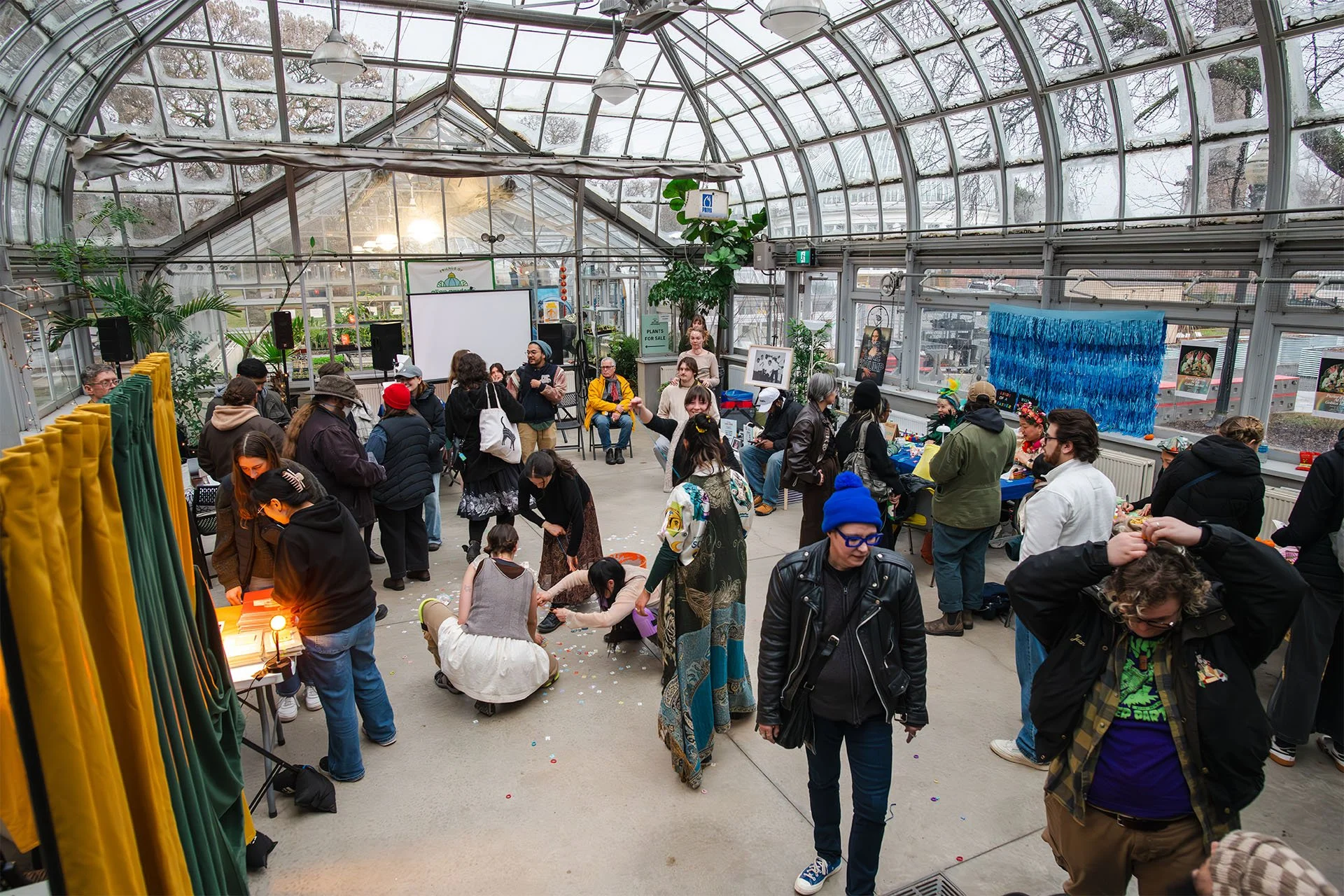
Goblin Market consists of a 6-week artist-economy prototyping lab, access to CFAT’s facility and membership from May to June, a 2-day micro-festival, and a week-long exhibition open to the public in late June. We will select six artists from the list to participate in this program by lottery. We want to be surprised, and we understand there are always risks involved.
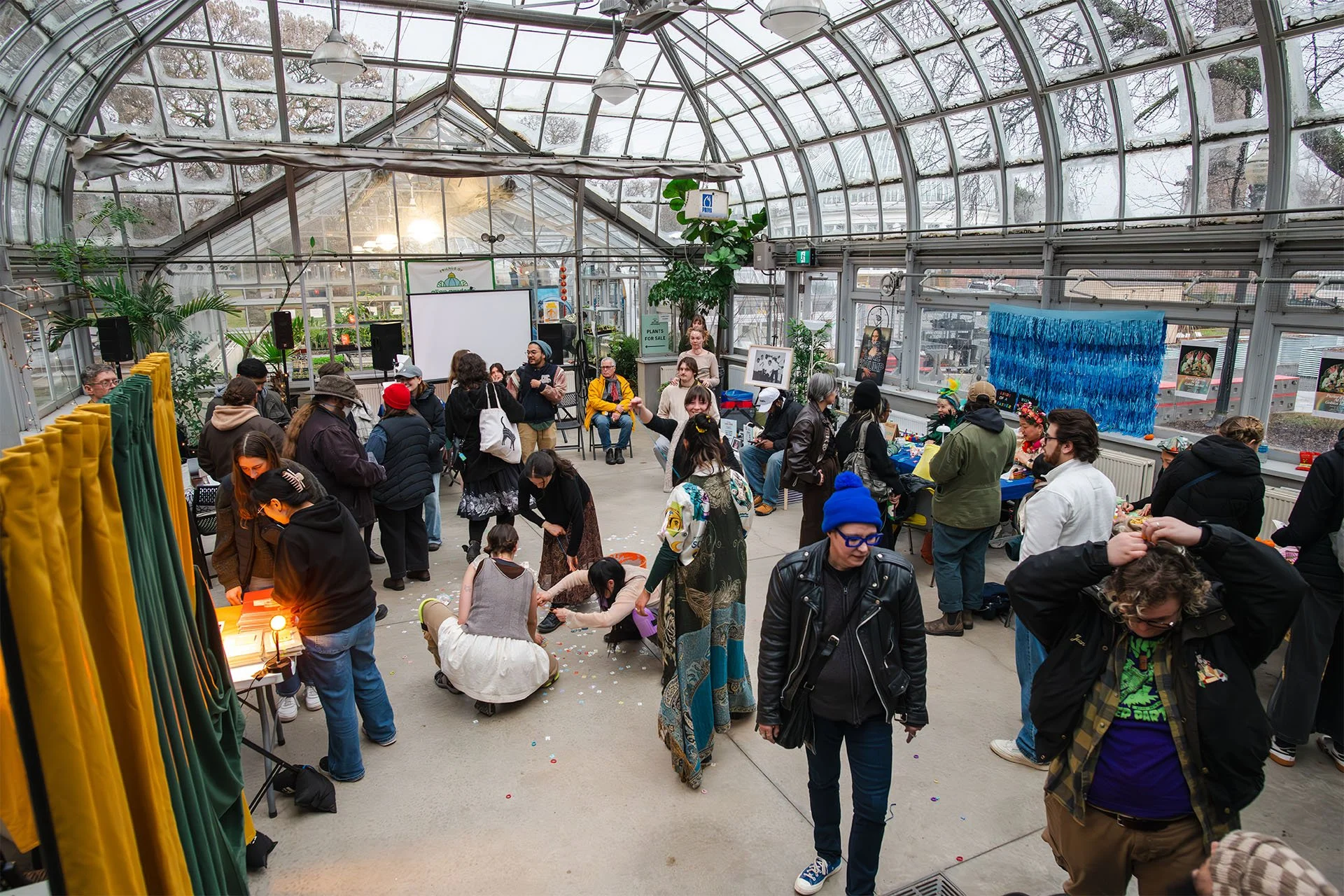
Photo Credit Nick Gallarza | Goblin Market Toronto 2025 @ Allan Gardens
Open call
Actually, no. No open call
Normally, we would launch an open call, but with being understaffed and facing serious budget cuts, it will be a bit of a gamble this time. The idea is simple: join the list of artists willing to collaborate, share resources, and work together. This list will be visible to the public, so once it’s published, artists, creatives, and cultural workers in Halifax can see your entries and understand what you’re looking for in a collaboration. Be honest, be open to new ways of working, and be a generous goblin.
Goblin Market consists of a 6-week artist-economy prototyping lab, access to CFAT’s facility and membership from April to June, a 2-day micro-festival, and a week-long exhibition open to the public in late June. We will select six artists from the list to participate in this program by lottery. We want to be surprised, and we understand there are always risks involved.
key dates:
add yourself to the index until April 23 (midnight Halifax time) to enter the draw
Zoom call on April 24 at noon (Halifax time) to livestream the draw and commence the project with the 6 chosen participants.
Program sessions begin May 4 and runs weekly.
Don't join the list if:
You're looking for free or inexpensive labour from the list to push non-collaborative work that doesn’t benefit the arts community.
You're not particularly interested in prototyping new economic systems that support the arts
You're uncomfortable with collaborators proposing ideas that differ from your own.
You've previously poured paint down the drain at a shared studio and hoped nobody would notice
You've hoarded equipment borrowed from an art centre for selfish reasons
You are not keen on offering resources to your peers
You can join the list but opt out of the lottery if:
$1200 (honorarium+material total) is too little for you to actively participate in the project from April to June, but you still want the opportunity—trust us, it’s not worth grinding your teeth over this and feeling resentful.
You are not able to make use of CFAT’s studio space and membership benefits from April to June
Join if:
You feel frustrated with how the arts funding landscape operates
You want to find value-aligned collaborators
You have a gift to contribute to your local arts community
You’re clear about what you hope to gain from an artistic collaboration
You are seeking to change how you resource your arts practice and want to be part of a group with similar goals
You are figuring out how to sell your work without selling out